Riyadh (Tassawar News): Prime Minister Shehbaz Sharif has commenced a high-stakes diplomatic visit to Riyadh, Saudi Arabia, specifically to attend the 9th Future Investment Initiative (FII) Conference. This strategic engagement, at the special invitation of Saudi Crown Prince and Prime Minister Mohammed bin Salman, unequivocally highlights Pakistan’s profound commitment to bolstering its economic ties, attracting vital foreign direct investment, and solidifying its crucial strategic partnership with the Kingdom. The visit is framed within Pakistan’s broader economic diplomacy drive to position itself as a key regional investment destination.
A Convergence of Economic and Diplomatic Power
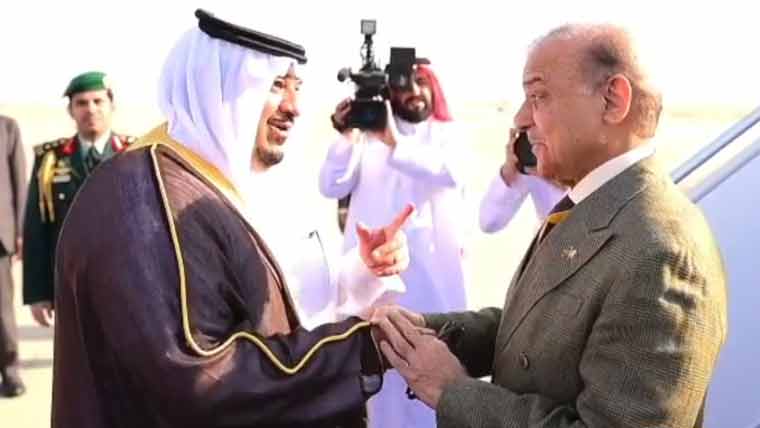
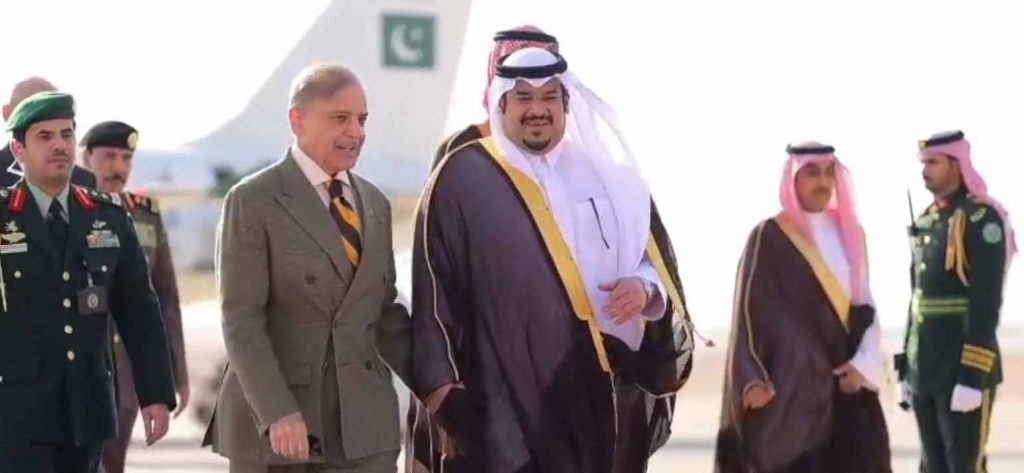
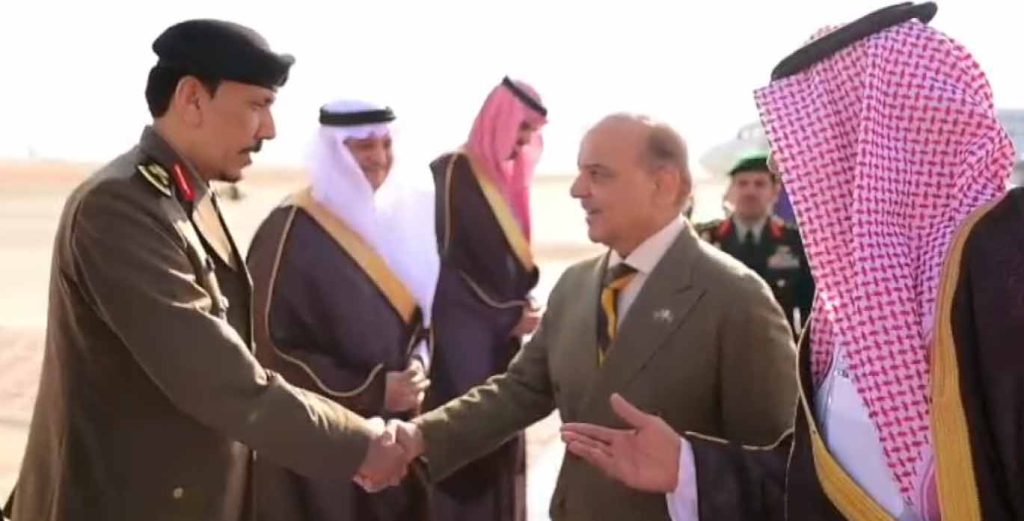
The Prime Minister’s delegation was afforded a warm reception at King Khalid International Airport, where they were officially welcomed by Prince Mohammed bin Abdulrahman bin Abdulaziz, the Deputy Governor of Riyadh, along with high-ranking diplomatic envoys from both nations: Saudi Ambassador to Pakistan Nawaf bin Saeed Al-Maliki and Pakistan’s Ambassador to Saudi Arabia Ahmed Farooq.
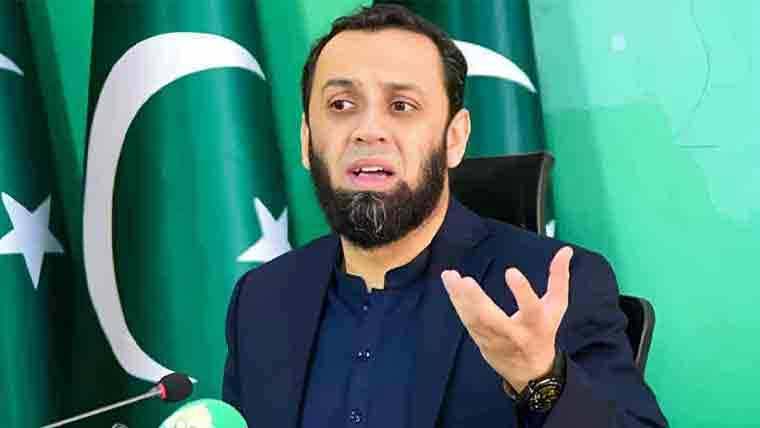
The composition of the accompanying delegation is highly strategic, underscoring the serious nature of Pakistan’s economic agenda. Key cabinet ministers, including Deputy Prime Minister and Foreign Minister Senator Ishaq Dar, Finance Minister Muhammad Aurangzeb, and Information Minister Attaullah Tarar, are part of the team, reflecting a unified approach. The presence of such senior members signals the government’s intent to offer a cohesive, credible, and comprehensive pitch to global investors, highlighting the institutional backing for proposed investment opportunities and reforms. This collective presence is aimed at attracting strategic investments and expanding the horizon for economic collaboration with its steadfast ally, Saudi Arabia.
“The presence of key cabinet members underscores the significance of this visit, as Pakistan aims to attract strategic investments and explore new opportunities for economic collaboration with Saudi Arabia.”
The FII Platform: Engaging the ‘Davos of the Desert’
The Future Investment Initiative (FII) Conference, widely dubbed the “Davos of the Desert,” is an internationally renowned forum that convenes global business titans, influential policymakers, and leading investors. It serves as a preeminent platform for defining the trajectory of global investment, discussing principles of sustainability, and charting the future of innovation. By actively participating in the FII, Prime Minister Shehbaz Sharif is leveraging a powerful global stage to integrate Pakistan’s economic narrative with the dominant global themes of Vision 2030—Saudi Arabia’s ambitious economic diversification plan.
In his upcoming address, the Prime Minister is tasked with showcasing Pakistan’s revitalised economic potential. He is expected to meticulously outline the progress of ongoing economic reforms, introduce newly formulated investment-friendly policies, and emphasise the country’s strategic geopolitical location—a critical land bridge seamlessly connecting South Asia, the Middle East, and Central Asia. The focus of his pitch will be on high-potential sectors: energy, technology, agriculture, and essential infrastructure development, which are directly aligned with the investment priorities of the FII’s global audience. This engagement symbolises Pakistan’s proactive strategy to diversify its investment base and secure long-term capital flows essential for sustained national development.
Deepening the Pakistan–Saudi Strategic Partnership
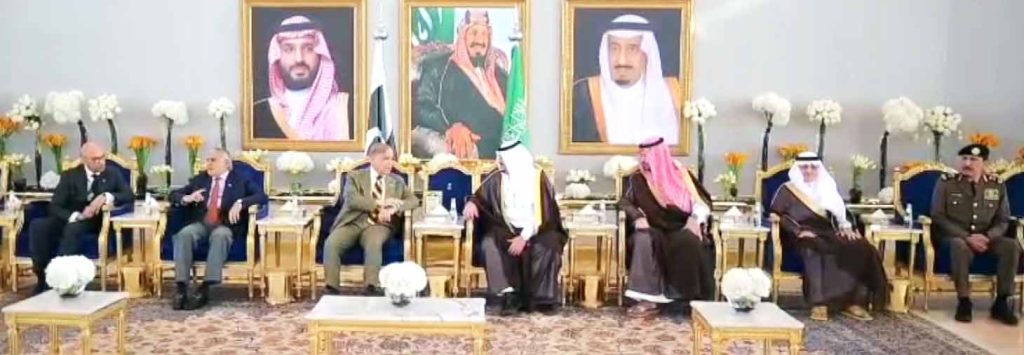
A central feature of the visit will be the bilateral meeting between Prime Minister Shehbaz Sharif and Crown Prince Mohammed bin Salman. These discussions will move beyond ceremonial pleasantries to focus on actionable steps for expanding cooperation across trade, investment, energy, and workforce development. Both leaders are anticipated to explore innovative avenues to fortify the Pakistan–Saudi strategic partnership, which is deeply rooted in mutual respect and shared interests.
Specifically, the agenda is expected to include concrete discussions on:
- Saudi investment in Pakistan’s Special Economic Zones (SEZs), leveraging the SEZ framework to attract industrial and technological capital.
- Collaboration in renewable energy, aligning with global sustainability trends and Pakistan’s energy security needs.
- Industrial development joint ventures, moving the relationship beyond financial aid to mutual wealth creation.
- Workforce expansion, seeking greater opportunities for Pakistan’s significant labour pool within the Saudi market, which is crucial for remittance inflows.
The visit occurs at a crucial juncture, reflecting Pakistan’s advancing economic diplomacy across the Gulf Cooperation Council (GCC) bloc. Saudi Arabia’s longstanding position as one of Pakistan’s largest investors and closest allies means that successful engagements here can provide significant economic stability and unlock further international financial confidence.
“The meeting will focus on expanding cooperation in the fields of trade, investment, energy, and workforce development, with both sides exploring new avenues to strengthen the Pakistan–Saudi strategic partnership.”
Fostering a Global Economic Footprint
Analysts concur that the Prime Minister’s participation at the FII is a powerful reflection of his administration’s staunch commitment to strengthening Pakistan’s global economic footprint. By directly engaging with the world’s financial elite, the government is signalling its dedication to economic stability and investor-centric reforms. The alignment of the visit with Saudi Arabia’s Vision 2030 is also significant, positioning Pakistan as a valuable partner in the Kingdom’s national transformation and technological future.
The FII, as an intellectual and financial hub, operates on the three core pillars of ‘Think, Exchange, and Act,’ which encourages global leaders to move from strategic insight to tangible investment and policy actions. Prime Minister Sharif’s active participation in this framework symbolises Pakistan’s readiness to convert its reform rhetoric into concrete investment outcomes. This diplomatic outreach, therefore, is not merely about securing deals but about building a foundation of mutual growth, regional stability, and sustainable economic partnerships anchored in trust and shared prosperity.
Conclusion
Prime Minister Shehbaz Sharif’s attendance at the 9th Future Investment Initiative Conference in Riyadh represents a definitive and proactive step in Pakistan’s foreign and economic policy. By leading a high-level delegation to this globally significant forum, the administration is making a clear, powerful statement about its commitment to economic stability and investment attraction. The engagements with Crown Prince Mohammed bin Salman are poised to generate substantial benefits by strengthening the strategic partnership, enhancing bilateral trade and energy cooperation, and securing crucial investment inflows for Pakistan’s core sectors and Special Economic Zones. This diplomatic momentum is key to fostering a dynamic future, underpinned by a shared vision of prosperity, modernisation, and a resilient, interconnected regional economy. The visit essentially serves as a robust platform for Pakistan to project itself as a reliable and reformed destination for global capital, cementing its role as a major partner in the future growth of the region.