Islamabad (Tassawar News): The recent commencement of the third round of dialogue between Pakistan and the Afghan interim government in Istanbul marks a critical continuation of high-stakes diplomatic engagement aimed at strengthening regional cooperation and ensuring border stability. This latest session, facilitated by neutral mediators, underscores a shared, albeit challenging, commitment to resolving persistent mutual security concerns through sustained and constructive dialogue. While significant breakthroughs have yet to materialise, the continuation of these high-level talks in a neutral territory reflects the profound understanding that the long-term peace and development of the region are intrinsically linked to mutual respect and practical cooperation.
The Diplomatic Imperative and Istanbul’s Role
The decision to convene this crucial third round of talks in Istanbul is strategically important. The involvement of Türkiye as a neutral facilitator provides a conducive and unbiased environment for the two delegations to address sensitive bilateral issues without the pressures of domestic politics. This neutrality is essential for working toward a realistic understanding of ground conditions and bridging differences.
According to diplomatic sources, the presence of mediators in the latest session is specifically designed “to help facilitate progress and encourage constructive engagement” between the two sides. This use of third-party facilitation underscores the complex and sensitive nature of the discussions, particularly concerning cross-border security matters that have frequently strained relations.
The continuation of dialogue, even in the absence of an immediate major breakthrough, is a positive diplomatic indicator. Officials from both delegations have publicly expressed hope that these sustained conversations will ultimately lead to a viable mechanism for addressing shared security challenges and promoting peaceful relations. The very act of convening reflects a fundamental, shared acknowledgement that regional peace and development depend on sustained dialogue and mutual respect.
Pakistan’s Focus on Security and Evidence
A central component of Pakistan’s agenda in the Istanbul talks is the demand for concrete action on cross-border security matters. Pakistan has reportedly taken a proactive stance by sharing “evidence and documentation” with the Afghan delegation. This action serves to reaffirm its position on maintaining peace and preventing any activities that could destabilize the region.
Pakistan’s position is firmly rooted in the need for practical cooperation and the implementation of robust confidence-building measures (CBMs). The goal is to move beyond mere assurances and establish tangible mechanisms to ensure long-term stability. The evidence shared likely pertains to alleged activities originating from the Afghan side of the border that Pakistan views as threats to its internal security.
The Pakistani delegation’s emphasis on practical cooperation suggests a desire for verifiable steps, such as:
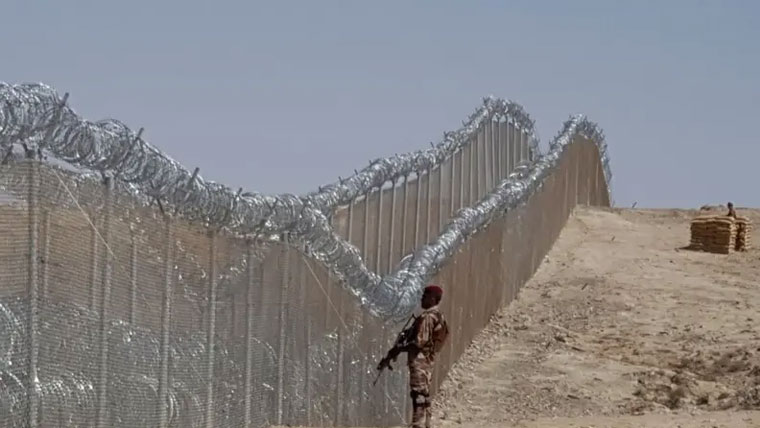
- Effective Border Management: Implementing coordinated controls to monitor and restrict illicit cross-border movement.
- Information Sharing: Establishing reliable channels for intelligence exchange regarding mutual security threats.
- Counter-Terrorism Measures: Agreed-upon actions to dismantle groups operating near the border that pose a risk to either country or the wider region.
The exchange of documentation elevates the discussions beyond simple political rhetoric, demanding that the Afghan interim government address specific, documented concerns that are crucial for Pakistan’s national security interests.
The Significance of Continued Engagement
The decision by both Islamabad and the Afghan interim government to proceed with a third round of talks highlights the mutual understanding of the gravitational importance of their relationship. The security and economic fortunes of both nations are inextricably linked, and unilateral actions have proven detrimental to stability.
Security officials involved in the dialogue stress that “constructive cooperation from all parties remains key to ensuring that future engagements yield tangible outcomes.” This statement underscores the transactional nature of the talks: progress is directly dependent on the willingness of each side to implement practical steps addressing the other’s core concerns. The talks are therefore a pragmatic recognition that an unstable border and regional insecurity are shared liabilities that hinder both economic development and regional integration.
The dialogue is a crucial opportunity to:
- De-escalate Tensions: Provide a formal channel to prevent misunderstandings from escalating into open conflict.
- Foster Economic Connectivity: Lay the groundwork for improved trade, transit, and regional infrastructure projects, all of which require a stable and secure border environment.
- Institutionalise Relations: Begin the arduous process of building a sustainable, working relationship between the two administrations, regardless of their differences in political structure or ideology.
The fact that the discussions have progressed to a third round in a neutral venue, with mediators, signifies an acknowledgment that the challenges cannot be solved through isolated efforts and require a cooperative, multilateral approach facilitated by trusted partners like Türkiye.
Conclusion: A Marathon, Not a Sprint
The third round of dialogue between Pakistan and the Afghan interim government in Istanbul represents an essential step in a marathon diplomatic effort to secure regional stability. While major breakthroughs remain elusive, the commitment to sustained engagement, the presence of third-party mediators, and the direct exchange of security evidence underscore the seriousness of the proceedings. Pakistan’s emphasis on practical cooperation and confidence-building measures is a clear call for tangible action to address cross-border threats. Ultimately, the continuation of these high-level talks, facilitated by Türkiye, demonstrates a shared, pragmatic understanding that long-term peace, development, and the overall stability of the region depend on mutual respect and continuous, constructive dialogue. The success of this process will be measured not just by the frequency of the meetings, but by the tangible security and economic outcomes that subsequently emerge on the ground.