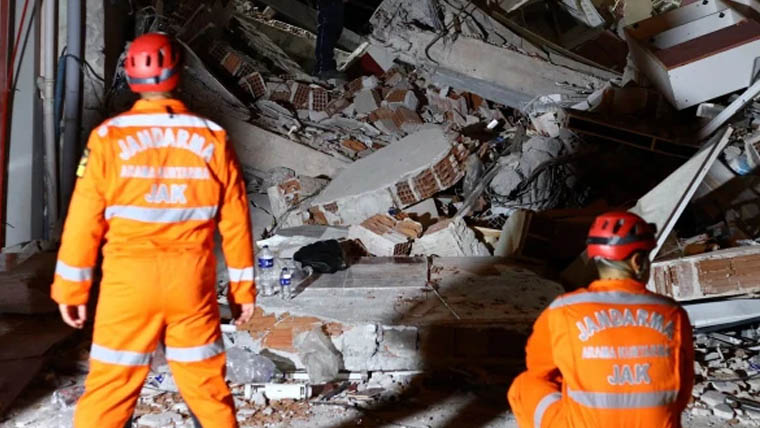
Türkiye (Web Desk) Western Türkiye was once again subjected to the profound power of natural forces today, as a powerful 6.1 magnitude earthquake struck the region, plunging residents into a state of widespread panic and resulting in structural damage to multiple buildings. According to validated official reports, the tremor was precisely measured at 6.1 on the Richter scale, with its epicenter located in the municipality of Sındırgı, situated within the Balıkesir Province. The earthquake’s recorded depth, approximately 6 kilometres, was notably shallow, which significantly amplified the intensity of its tremors across vast nearby territories.
Major Turkish metropolitan centres, including the sprawling cities of Istanbul, Bursa, Manisa, and İzmir, all reported experiencing distinctly noticeable and sustained shaking, which immediately prompted a mass, fearful exodus of residents from their homes and into open spaces. Local authorities have confirmed instances of structural damage in the epicentral region of Sındırgı. Crucially, however, initial assessments have provided the fortunate reassurance that there are no immediate reports of casualties or fatalities. This absence of human loss, despite the magnitude, offers a brief respite in a region historically prone to seismic disaster.
Historical Context and Vulnerability
The recurrence of significant seismic activity in this area is a profound concern. This most recent tremor is strongly reminiscent of a similar earthquake that struck the identical region just this past August, which also registered a substantial 6.1 in magnitude. That previous event, tragically, resulted in one confirmed fatality and dozens of injuries, underscoring the lethal potential of such seismic events. Geologically, Türkiye sits across several major fault lines, making it historically prone to severe seismic activity. This inherent vulnerability was brutally highlighted by the devastating earthquake in 2023, a catastrophic event that claimed the lives of over 55,000 people and remains a defining tragedy in the nation’s recent memory, emphasising the urgent necessity for robust preparedness.
Immediate Impact on Residents and Critical Safety Measures
The powerful quake instantaneously generated widespread fear and anxiety throughout the affected communities, with countless residents instinctively fleeing their homes and congregating in open spaces for perceived safety. Authorities have since issued clear, repeated directives, urgently urging all citizens to remain highly vigilant, to actively avoid entering any damaged structures, and to strictly adhere to all official safety guidelines disseminated by disaster management agencies.
Emergency response teams have been swiftly and comprehensively dispatched to the affected areas. Their crucial mission involves carrying out detailed structural damage assessments, providing immediate support to affected families, and working to effectively secure any buildings deemed structurally unsafe or at immediate risk of further collapse.
Furthermore, seismology experts have strongly emphasized that earthquakes of this intensity carry the definite risk of generating dangerous secondary hazards, including destructive landslides, potentially major aftershocks, and further, unanticipated building collapses. Consequently, residents are under strict advisement to prepare and maintain comprehensive emergency kits, to physically secure heavy furniture within their homes to prevent injury, and to remain continuously informed about updates and advisories issued by local and national authorities.
“Authorities have urged citizens to remain vigilant, avoid damaged structures, and follow official safety guidelines.”
Comprehensive Earthquake Preparedness: Expert Recommendations
While the natural phenomenon of earthquakes remains fundamentally unpredictable and cannot be prevented, experts unanimously agree that a high degree of community-wide preparedness significantly reduces the resulting risks to both life and property. To mitigate future losses, experts provide several non-negotiable recommendations for citizen compliance:
- Keeping Emergency Supplies: Maintaining readily accessible emergency kits containing essential provisions such as potable water, non-perishable food supplies, critical first-aid kits, essential medications, and copies of important documents.
- Identifying Safe Spots: Ensuring every member of the household is fully aware of safe refuge spots within the home, such as positions under sturdy tables or strong door frames, to seek immediate cover during shaking.
- Following Evacuation Protocols: Understanding and strictly adhering to established evacuation plans and procedures, particularly in identified high-risk seismic zones or coastal areas prone to tsunamis.
- Staying Informed: Establishing reliable means to stay continuously informed via local news channels and official seismic monitoring systems for real-time alerts and aftershock warnings.
The Turkish government, in conjunction with support and expertise from numerous international organizations, continues to make substantial investments in earthquake-resistant infrastructure development. Furthermore, resources are consistently dedicated to public awareness campaigns and regular readiness drills aimed at refining emergency response capabilities and minimizing future human and economic losses. These efforts are central to building a more resilient society capable of withstanding the inevitable seismic challenges of the region.
Conclusion: Vigilance and the Path to Resilience
The recent 6.1 magnitude earthquake in Balıkesir, Western Türkiye, serves as a powerful and unavoidable reminder of the region’s acute seismic vulnerability. While the fortunate absence of casualties is highly commendable, likely reflecting recent improvements in preparedness and building codes, the documented structural damage underscores the persistent and serious nature of the threat. Residents are strongly encouraged to maintain an elevated state of caution, scrupulously follow all official safety measures, and remain consistently prepared for the immediate possibility of subsequent aftershocks. The enduring safety of the individual and the community relies heavily on staying informed about crucial earthquake news, adopting proven safety tips, and adhering rigorously to expert guidance as Türkiye continues on its path toward enhanced seismic resilience.