High-stakes negotiations between representatives of Pakistan and the Afghan Taliban in Istanbul have culminated in a diplomatic failure, with the four-day dialogue ending without a workable agreement. The outcome signals a significant setback in efforts to de-escalate cross-border security tensions between the neighboring states.
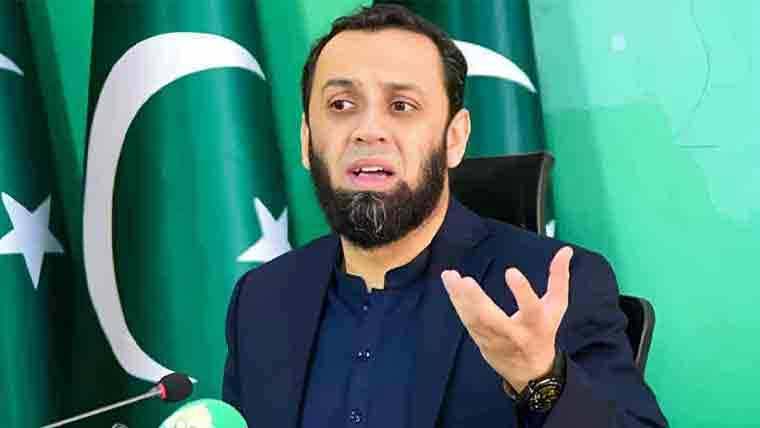
Pakistan’s Information Minister, Atta Tarar, used social media to publicly confirm the impasse, noting that after protracted discussions, the delegations were unable to forge a mutually acceptable solution. Minister Tarar explicitly stated that despite the presentation of incontrovertible evidence by Pakistan detailing the origins of militant activities, the Afghan Taliban leadership failed to provide substantive guarantees to curb cross-border militancy. In light of this non-commitment, the Minister unequivocally affirmed that Pakistan would maintain its operational prerogative, asserting that the country “will continue operations against militants and their supporters.”
Divergence from the Core Agenda
The central point of contention, according to the Pakistani delegation, was the persistent avoidance of the core issue by the Afghan side. Minister Tarar lamented that the Afghan delegation repeatedly diverted from the key points, thereby frustrating the singular objective of the dialogue: securing an absolute cessation of attacks launched from Afghan soil against Pakistani interests.
Pakistan firmly maintains the position that the documentary and intelligence evidence submitted was sufficient and conclusive. This unwavering stance highlights the perceived lack of seriousness or commitment from the Taliban to address what Pakistan views as a fundamental national security threat.
“The Afghan delegation consistently sidestepped the critical issue at hand, refusing to engage meaningfully with the uncontestable evidence presented regarding cross-border attacks,” stated Information Minister Atta Tarar. “The singular and non-negotiable agenda was the cessation of all militant activities emanating from Afghan territory; the absence of any firm guarantee rendered further dialogue unproductive.”
Allegations of Shifting Positions and External Influence
In analyzing the collapse of the negotiations, sources close to the talks suggest the primary impediment was the repeated and illogical shifting of the Taliban delegation’s position. These shifts are reportedly attributable to directives received from Kabul, indicating a potential lack of autonomy or internal coherence within the Afghan team. It is alleged that these “illogical and invalid instructions” were ultimately responsible for the breakdown of the intensive four-day deliberation process.
Minister Tarar specifically thanked the mediating nations, Qatar and Türkiye, for their dedicated efforts in facilitating the talks. He acknowledged their constructive role in attempting to dissuade the Afghan Taliban leadership from utilizing terrorism-related cases as leverage against Pakistan, suggesting that non-security issues may have been introduced to complicate the negotiation environment.
Pakistan’s Unwavering Demand and Future Strategy
Pakistan’s position remains resolute and singularly focused: the immediate and complete cessation of all cross-border attacks originating from Afghanistan.
The failure of the diplomatic track has prompted high-level warnings from Islamabad regarding future policy. Defence Minister Khawaja Asif issued a stern caution, declaring that if the enduring security issues with Afghanistan cannot be satisfactorily resolved through negotiated means, Pakistan may be compelled to “consider other options.” This statement represents a significant escalation in Pakistan’s rhetoric, underscoring the gravity of the security situation and the potential for a shift towards non-diplomatic solutions if the militant threat is not definitively contained by Kabul.
Conclusion
The inconclusive outcome of the Istanbul talks marks a critical juncture in the precarious relationship between Pakistan and the Afghan Taliban. The inability to secure firm, verifiable guarantees against cross-border militancy, despite Pakistan’s presentation of compelling evidence, underscores a significant failure in the diplomatic channel. The perceived obstruction and the instability of the Afghan delegation’s position have necessitated a policy re-evaluation in Islamabad. While diplomatic avenues through facilitators like Qatar and Türkiye are appreciated, the warning issued by the Defence Minister about considering “other options” clearly signals that Pakistan’s patience is constrained. Moving forward, the onus remains on the Afghan Taliban to deliver credible and actionable measures to halt militant attacks, as the current diplomatic impasse heightens the risk of unilateral action.
Would you like me to elaborate on the implications of the “other options” mentioned by the Defence Minister, or perhaps define what is meant by “leverage” in this diplomatic context?