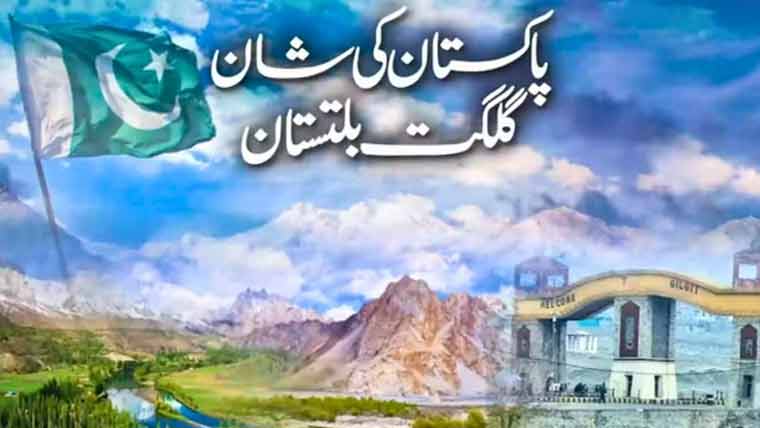
Gilgit: (Tassawar News) On the auspicious occasion of Gilgit-Baltistan (GB) Independence Day, the Inter-Services Public Relations (ISPR) wing has employed the potent medium of cultural expression to reinforce national solidarity, marked by the release of a new patriotic anthem titled, “Pakistan Ki Shaan – Gilgit-Baltistan.” This initiative represents a strategic deployment of soft power, aiming to commemorate the region’s hard-won freedom while simultaneously underscoring its deep-seated and inviolable bond with the Federation of Pakistan. The composition, featuring the prodigious talents of young vocalists indigenous to Gilgit-Baltistan, serves as a poignant artistic testament to the region’s historical narrative and its enduring loyalty to the nation.
Thematic Resonance and Artistic Execution
The patriotic song is meticulously crafted to convey several overarching thematic messages, executed with artistic finesse by the emerging vocalists. The musical arrangement and lyrical content function synergistically to beautifully portray the region’s unbreakable bond with the national entity. This artistic representation moves beyond mere celebration, offering an emotionally resonant narrative that connects the region’s distinctive cultural identity with the broader national collective.
A crucial function of the anthem is the commemoration and honoring of the “brave heroes who sacrificed their lives in the defence of the motherland.” This tribute is vital for enshrining the historical contribution of the region’s combatants within the national memory. By immortalizing their sacrifice, the song reinforces the notion that the liberty enjoyed today is a direct legacy purchased at the highest cost.
The core lyrical message is both a statement of national pride and a firm deterrent directed at external adversaries. The lyrics articulate a powerful, non-negotiable principle:
“The anthem carries a resolute message of deterrence: that any hostile entity or external force that harbors ill-intent or ‘casts an evil eye toward Pakistan’ will inevitably confront profound disgrace and absolute defeat. This poetic declaration serves as a socio-political warning, affirming the nation’s collective resolve to protect its sovereignty.”
This aggressive assertion of national defence is seamlessly juxtaposed with an internal message dedicated to fostering domestic harmony. The song explicitly promotes national unity, harmony, and brotherhood, exhorting citizens across geographical and ethnic divides to transcend personal differences for the sake of constructing a brighter and stronger Pakistan. The utility of the song, therefore, extends beyond historical remembrance into the realm of social engineering, promoting cohesive national identity.
Historical Context: The Significance of November 1st, 1947
The release of this commemorative anthem is inextricably linked to the profound historical event it seeks to honour: November 1, 1947. This date marks the pivotal, historic day when the people of Gilgit-Baltistan took their destiny into their own hands. The liberation movement was spearheaded by the indigenous forces of the Gilgit Scouts and local freedom fighters, who staged a successful revolt against the entrenched Dogra regime’s rule.
The rapid and decisive nature of the revolt led to the liberation of the region, a remarkable feat of strategic planning and indigenous resolve. The crowning symbolic moment of this victory was the hoisting of the Pakistani flag for the first time in the newly liberated territory. This single act was a powerful, unambiguous declaration of the populace’s overwhelming political will to affiliate their future with the nascent Pakistani state, rather than maintaining the status quo or aligning elsewhere.
“The events of November 1st, 1947, constitute a definitive moment of self-determination. The spontaneous and successful uprising, orchestrated by local forces against a foreign regime, provides an irrefutable historical premise for Gilgit-Baltistan’s political and territorial bond with Pakistan. The first raising of the national flag was not merely a military gesture but a profound political covenant.”
This historical bedrock provides the patriotic song with its deepest resonance, linking the contemporary celebration of statehood directly back to the heroic actions of the founding generation.
The Role of Cultural Narratives in National Consolidation
The production and widespread dissemination of “Pakistan Ki Shaan – Gilgit-Baltistan” is emblematic of the critical role that cultural narratives and artistic expression play in the process of national consolidation. In a diverse, multi-ethnic federation, media initiatives like this song are indispensable tools for bridging regional gaps and forging a unified national identity.
- Reinforcing Integration: By having young local artists perform the song, ISPR highlights the regional ownership of the national narrative, showcasing that the feeling of belonging is organic and deep-rooted, not merely imposed.
- Educational Function: The song serves an educational purpose, ensuring that younger generations are actively reminded of the sacrifices made during the 1947-48 campaigns and the historical context of their region’s integration.
- Psychological Uplift: During periods of political or security challenges, a patriotic anthem can serve as a powerful psychological mechanism, boosting morale and reaffirming the populace’s collective identity and resolve against perceived threats.
The high production quality and widespread reach afforded by a body like ISPR ensure that this message of unity and historical remembrance penetrates various strata of society, fostering a shared sense of national purpose and historical reverence across Pakistan’s diverse landscape.
Conclusion: A Musical Testament to Unity
The release of the patriotic song, “Pakistan Ki Shaan – Gilgit-Baltistan,” is a sophisticated cultural and communicative endeavour. It masterfully intertwines the historical narrative of Gilgit-Baltistan’s courageous 1947 liberation with a contemporary message of national security and social harmony. The anthem stands not only as a vibrant tribute to the sacrifices of the past but also as an inspiring call to action for the present generation, urging them to embrace unity and transcend differences. By harnessing the power of music and the voices of its youth, the initiative successfully reinforces the profound constitutional, emotional, and historical ties that irrevocably link the spectacular northern territory of Gilgit-Baltistan to the broader Pakistani state, ensuring that the legacy of November 1st remains a source of enduring national pride and coherence.