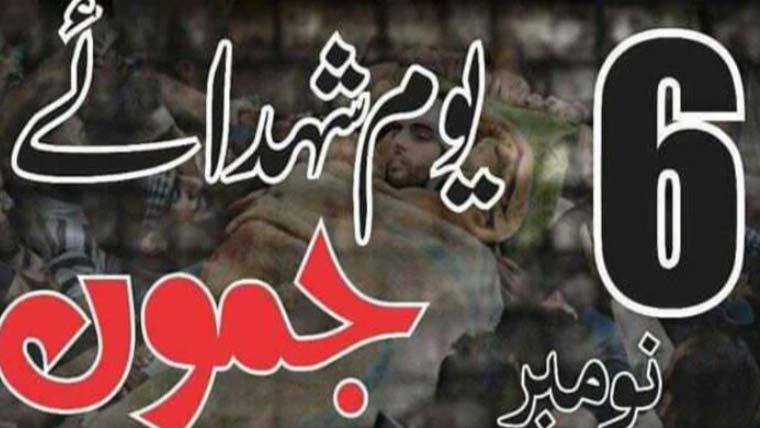
Lahore: (Tassawar News) Today, Kashmiris across the Line of Control (LoC) and throughout the global diaspora are observing Jammu Martyrs’ Day (Youm-e-Shuhada-e-Jammu), a solemn annual commemoration that honours the memory of the thousands of men, women, and children who tragically lost their lives during the massacres of November 1947. This deeply significant day serves as a poignant tribute to the victims of one of the region’s darkest historical episodes, simultaneously offering a powerful symbol of resistance, resilience, and an unwavering pledge to continue the pursuit of freedom and the right to self-determination.
Historical Context: The 1947 Jammu Massacre
The observance is rooted in the tragic events that unfolded during the first week of November 1947 in the Jammu region. Historical narratives consistently recount that during this period, thousands of unarmed Kashmiri Muslims were systematically targeted, attacked, and killed by extremist groups. These horrific atrocities precipitated a mass exodus, forcing countless families to abandon their homes and seek refuge across the border in what is now Azad Jammu and Kashmir (AJK).
For the Kashmiri community worldwide, Jammu Martyrs’ Day transcends a mere memorial function; it stands as a symbol of steadfast resistance against historical injustice and ongoing oppression. The annual marking of the day brings into sharp focus the community’s persistent demand for justice, dignity, and international acknowledgement of the grave sacrifices made by the victims of the violence. It is a historical marker that frames the subsequent struggle for political rights and security.
“Every year, the day serves as a reminder of the sacrifices made for freedom and a renewed pledge to continue the struggle for self-determination,” notes the narrative, underscoring the commemorative day’s dual purpose: remembrance and recommitment.
A Prolonged Quest for Justice and Political Freedom
Seventy-seven years after the brutal 1947 massacre, the populace residing in Indian-administered Jammu and Kashmir continues to navigate an existence characterized by profound challenges. Reports from human rights organizations and international observers consistently highlight a severe environment of restrictions, widespread human rights violations, and intermittent curfews. The prevailing climate is often described as one of intense political repression, arbitrary detentions, and sustained communication blackouts that significantly impede normal life and political expression.
Kashmiri political and civil society leaders have intensified their appeals to the international community, directing their calls particularly towards the United Nations and global human rights bodies. The fundamental purpose of these appeals is two-fold: to secure explicit acknowledgment of the 1947 atrocities and to compel the global powers to undertake concrete and decisive steps towards a peaceful, just, and lasting resolution of the protracted Kashmir issue.
A core component of these appeals involves an urgent plea for international bodies to recognize the 1947 killings in Jammu as an act of genocide. This terminology is employed to underline the systematic and targeted nature of the violence, thereby emphasizing the profound, unresolved necessity for accountability and justice for the victims and their descendants.
Many have urged world powers to recognize the killings in Jammu as an act of genocide, emphasizing the need for accountability and justice.
Global Observances and Expression of Solidarity
The annual observance of Jammu Martyrs’ Day is marked by a wide array of activities across the globe. In Pakistan, within Azad Jammu and Kashmir (AJK), and among significant Kashmiri diaspora communities across key regions such as the UK, Europe, North America, and the Middle East, the day is honoured through the organization of special prayers, public rallies, and seminars.
These gatherings serve as a platform for participants to collectively pay homage to the martyrs and to express powerful solidarity with those who continue to live under what they perceive as occupation. As a mark of respect and political protest, flags are often flown at half-mast in several areas. Key political leaders leverage public addresses to forcefully reaffirm their unwavering commitment to the right of self-determination, a right that has been formally recognized by multiple UN Security Council resolutions.
Pakistan’s Enduring Diplomatic and Moral Support
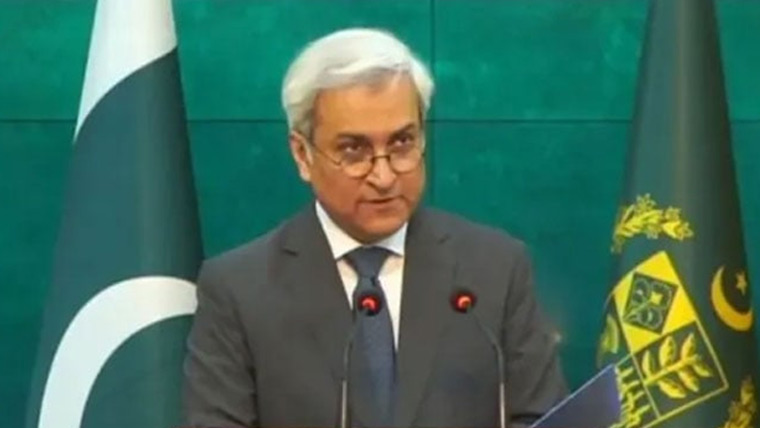
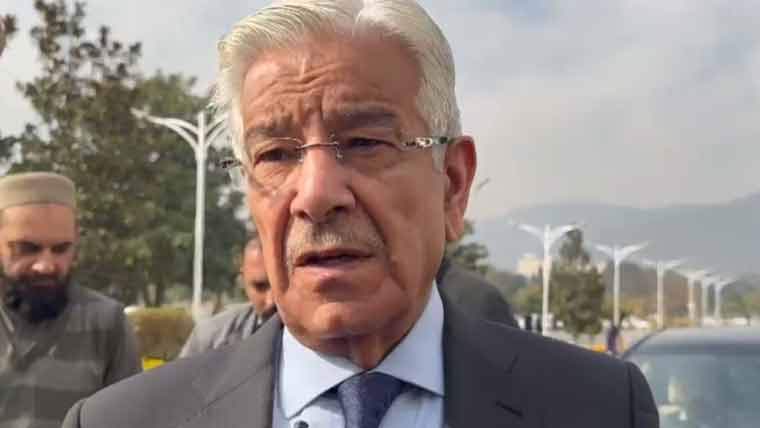
Pakistan has consistently maintained an unequivocal stance of political, moral, and diplomatic support for the Kashmiri people in their struggle. Officials in Islamabad routinely reiterate the foundational belief that enduring peace in South Asia is fundamentally contingent upon the resolution of the Kashmir dispute—a resolution that must be achieved in strict accordance with the wishes of the Kashmiri people.
The annual observance of Jammu Martyrs’ Day provides a crucial opportunity to project this long-standing official position internationally. It serves to remind the global community that the core issue of Kashmir remains politically unresolved and that the collective aspirations of Kashmiris for freedom continue to be the primary engine driving their peaceful, yet resilient, resistance movement.
Officials in Islamabad reiterated that peace in South Asia cannot be achieved without resolving the Kashmir dispute in accordance with the wishes of the Kashmiri people.
The Call for Enhanced Global Awareness
As Kashmiris meticulously commemorate the sacrifices of the Jammu martyrs, activists, academics, and scholars stress the critical importance of actively raising global awareness concerning the persistent humanitarian and political situation in the region. They issue a collective call to international media outlets, civil society organizations, and human rights bodies to actively amplify the voices of victims and to advocate robustly for a peaceful and equitable conflict resolution achieved through sustained dialogue and effective international diplomacy. The continued marking of this tragic day is intended to prevent the events of 1947, and the subsequent decades of struggle, from fading from the global conscience.
Conclusion
Jammu Martyrs’ Day serves as a profound and enduring political and historical touchstone for the Kashmiri people, powerfully linking the atrocities of November 1947 with the continuing political struggle for self-determination and justice today. The commemoration is a solemn act of remembrance for the victims and a forceful renewal of the commitment to achieving their UN-mandated rights. The sustained observance, backed by the unwavering political and diplomatic support of Pakistan, highlights the unresolved nature of the Kashmir dispute and urgently calls upon the international community to move beyond mere acknowledgment to take concrete, decisive steps toward a peaceful and just resolution, ensuring accountability for past wrongs and securing a dignified future for the region’s inhabitants.
Would you like me to find information about the current status of UN Security Council resolutions regarding the Kashmir issue?