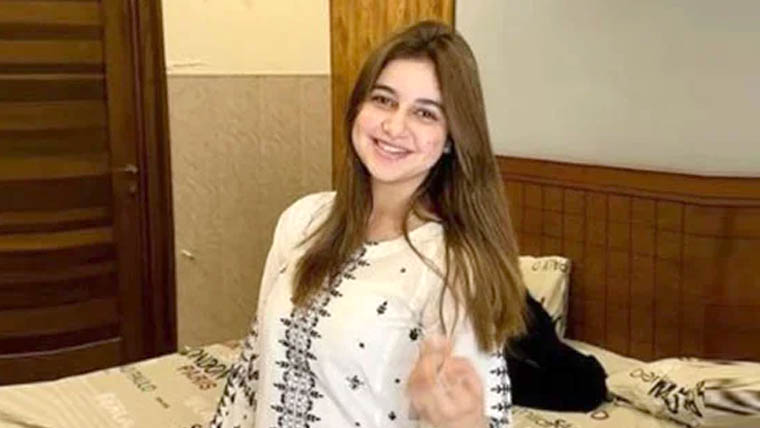
Mumbai (Web Desk): The Indian television fraternity and millions of fans were recently apprised of a significant health challenge faced by one of the industry’s most prominent figures, actress Dipika Kakar. Her husband, actor Shoaib Ibrahim, made public the diagnosis of Stage 2 liver cancer, which has necessitated an intensive and rigorous treatment regimen over the past several months. This candid disclosure has cast a spotlight not only on the severity of her illness but also on the extraordinary resilience demonstrated by the couple throughout this protracted ordeal.
Dipika Kakar, who established herself as a household name through her leading role in the popular serial Sasural Simar Ka and subsequently clinched the title in Bigg Boss 12, has been confronting a series of profound medical challenges since the initial identification of the malignancy. The actress, who is 39, and her husband, Shoaib Ibrahim, 38, solemnised their marriage in 2018, and their family was completed with the birth of their son, Ruhaan, in 2023. This joyous event now stands juxtaposed against the severity of her ongoing health crisis, demonstrating a compelling narrative of familial support amid adversity.
The Protocol of Perpetual Monitoring
Shoaib Ibrahim’s most recent communication, delivered via social media, was a poignant disclosure detailing the emotional and logistical strain imposed by the continuous medical monitoring. His account underscored the transition from routine life to one dominated by hospital visits and apprehensive anticipation. Initially, following the major intervention in June, Dipika’s blood tests, critical for assessing disease markers and the efficacy of the targeted therapy, were scheduled tri-monthly. However, due recent clinical developments, this surveillance frequency has been escalated.
We’re both anxiously waiting for her blood test reports. Hospital visits have become a part of our lives now. Earlier, these tests were done every three months, but now we do them every two months. The waiting period before the reports come in is the most stressful time for us.
This statement encapsulates the psychological duress experienced by individuals navigating post-operative oncology care. The periodic medical assessments, intended to ensure early detection of recurrence or complications, paradoxically become moments of peak anxiety. Shoaib articulated this sentiment with profound sincerity, noting the day-to-day difficulty of maintaining composure while facing such profound uncertainty. The impending report, expected imminently, represents a critical juncture in Dipika’s recovery timeline.
The report is expected tomorrow. This waiting phase is the hardest. I pray everything turns out fine with Allah’s blessings.
As observed in the shared video footage accompanying Shoaib’s update, Dipika Kakar was seated beside her husband, her demeanour reflecting a complex amalgamation of enduring fortitude and palpable concern. This visual confirmation serves to reinforce the reality of their shared struggle, moving beyond mere abstract reporting to illustrate the human dimension of the crisis.
Treatment Trajectory and Immune Compromise
Dipika Kakar’s treatment journey commenced with the diagnosis of a tennis ball-sized malignant tumour in April 2025, which ultimately led to a demanding, multi-hour tumour-removal surgery conducted in June 2025. Post-surgery, she transitioned to a targeted oral therapy regimen, a critical component of her treatment designed to minimise the risk of disease recurrence. This phase, while crucial for oncological outcomes, has introduced a new array of physiological challenges. The actress has been very forthcoming regarding the attendant side effects, including hypothyroidism fluctuations, severe fatigue, heightened mood swings, and painful mouth ulcers, which are common sequelae of targeted anti-cancer drugs, which affect rapidly dividing cells throughout the body.
Furthermore, a significant complication arose recently when the actress contracted a viral infection, which was reportedly transmitted by her young son, Ruhaan. In the context of her ongoing treatment, which systematically compromises the body’s immune response, this infection escalated into a severe medical concern. Dipika Kakar herself provided candid details of this experience on her public video blog:
Ruhaan se infection mujhe lag gaya. Aur mere case mein infection thoda zyada severe ho gaya kyunki main treatment pe hoon, aur uss time pe aapki body ki immunity thodi low hoti hai. Doctor ko jaise hi call kiya unhone antibiotics start ki. Bohot heavy dose ki.
She elaborated that the medical team, having anticipated such immune vulnerability, immediately initiated a highly potent course of antibiotics and anti-allergic medication. Although clinically necessary, the combination proved arduous for her already weakened system, highlighting the delicate balancing act required in managing serious infections in immunocompromised oncology patients. This incident vividly underscores the constant vigilance required in her day-to-day life, wherein even common childhood ailments pose a substantial risk. The chronic inflammation and weakness associated with treatment further compounds the difficulty of physical recovery and necessitates a dedicated support system. The couple’s decision to publicly document this intensely private journey—detailing the chemotherapy sessions, the emotional troughs, and the subsequent recovery—serves as a compelling public service, providing insight and solidarity to others facing comparable health adversities. The actor also candidly shared her experience with severe hair loss, a difficult but often inevitable consequence of her therapeutic regimen, necessitating the use of a hair patch.
Conclusion: A Testament to Fortitude and Transparency
In summation, the health narrative of Dipika Kakar is a powerful testament to personal fortitude amidst a life-threatening illness. The Stage 2 liver cancer diagnosis initiated a complex course of treatment, marked by a critical surgery and subsequent targeted therapy, alongside recurrent health setbacks such as the debilitating viral infection. The anxiety articulated by Shoaib Ibrahim concerning the bi-monthly blood test results is an authentic reflection of the emotional strain inherent in long-term cancer survivorship and monitoring. Notwithstanding these profound challenges, the couple’s consistent transparency, particularly through their digital platforms, provides a valuable public model of coping with chronic illness. They have transformed a private medical crisis into a source of public inspiration, underscoring the indispensable role of spousal support, religious faith, and open communication in navigating life’s most formidable challenges. The anticipation of the forthcoming medical reports remains a foc