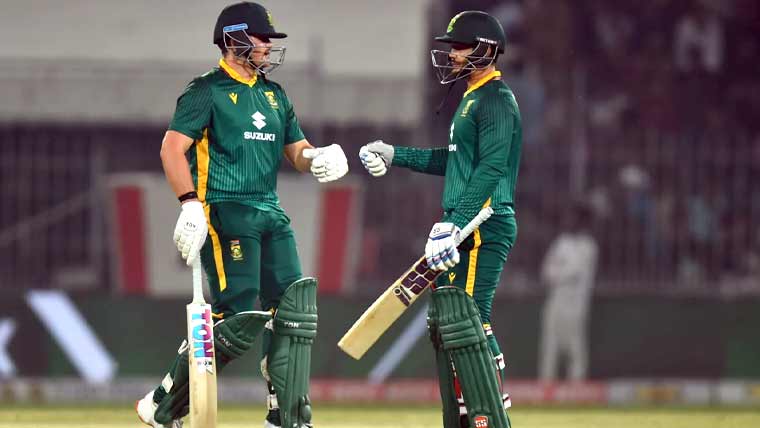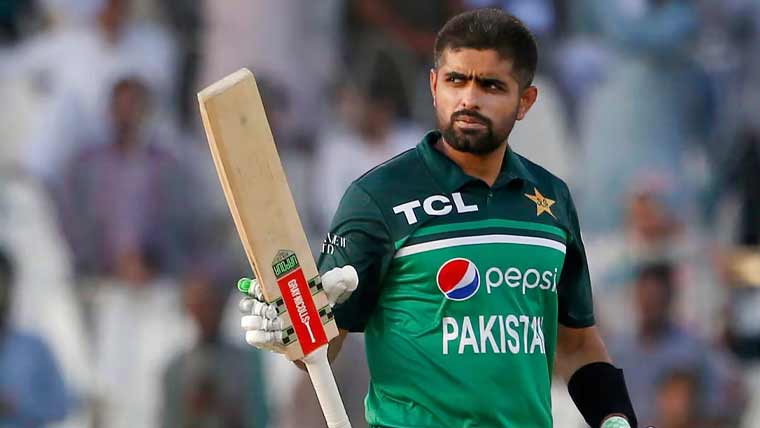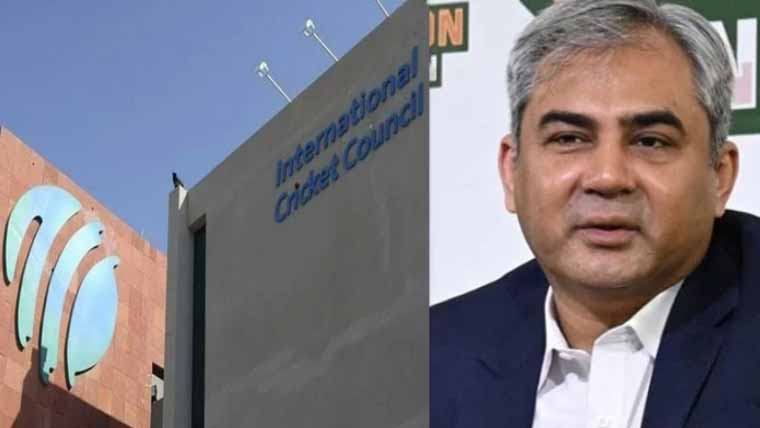
Islamabad: (Tassawar News) The governance and administrative landscape of international cricket is poised for a significant upheaval as Pakistan Cricket Board (PCB) Chairman Mohsin Naqvi is scheduled to travel to Dubai today to attend a pivotal International Cricket Council (ICC) meeting. This gathering is anticipated to be marked by considerable tension, primarily stemming from reported objections formally lodged by the Board of Control for Cricket in India (BCCI) regarding Naqvi’s dual roles and past administrative actions. This development underscores the persistent strain in cricketing relations between the two powerful South Asian boards and promises to be a critical juncture in regional cricket diplomacy.
BCCI’s Formal Objections and Governance Concerns
The BCCI, a major global stakeholder in cricket administration, has reportedly prepared and submitted a detailed written list of concerns for the ICC’s consideration. The core of these objections revolves around an alleged conflict of interest concerning the current PCB Chairman.
“Sources indicate that the BCCI has prepared a written list of concerns, explicitly questioning Mohsin Naqvi’s dual positions as both the PCB Chairman and Pakistan’s Federal Interior Minister, a situation which, in their view, potentially constitutes a violation of the ICC’s stringent governance code.”
The suggestion of a governance code breach is a serious accusation within the framework of global cricket administration, which places a high premium on the independence and autonomy of its member boards. The combination of a high-profile political position (Federal Interior Minister) with the chairmanship of a national cricket body is seen by the BCCI as potentially compromising the neutrality and non-political nature expected of a governing sports official under ICC regulations.
Furthermore, the reported objections are not solely confined to the issue of dual office-holding. They also encompass specific administrative decisions that were implemented during the 2023 Asia Cup tournament. Additionally, the Indian board has allegedly made references to incidents of a political nature that reportedly transpired during the course of the same tournament, further illustrating a deep-seated dissatisfaction with the overall management and atmosphere of the event. These multi-faceted concerns suggest a broader critique of the PCB’s leadership under Mohsin Naqvi.
The Alleged Asia Cup Final Incident: A Point of Contention
The reported tensions between the PCB and the BCCI are said to have a specific, high-profile origin traceable to the conclusion of the Asia Cup final. This particular event appears to have crystallised the simmering disagreements between the two nations’ cricket bodies.
“Tensions between the two boards can be traced back to a specific incident following the Asia Cup final, during which the Indian captain, Suryakumar Yadav, allegedly declined to receive the winners’ trophy directly from Mohsin Naqvi.”
This alleged refusal by the Indian captain to accept the award from Naqvi, who also holds the influential post of President of the Asian Cricket Council (ACC), is reported to have been a deliberate, albeit subtle, diplomatic snub. Sources suggest that Yadav explicitly requested the trophy be presented by other ACC officials instead of the chief dignitary on stage.
The subsequent developments further underscore the strained relations. Reports indicate that Mohsin Naqvi, in his capacity as ACC President, waited on stage for the Indian captain to appear for the presentation ceremony. However, following a prolonged and unexplained delay, he reportedly departed from the venue. It is understood that Naqvi subsequently ensured that the trophy was sent to the ACC office, rather than completing the presentation ritual himself, thus reflecting the gravity of the perceived disrespect or diplomatic impasse that occurred. This incident, charged with undertones of political and administrative disagreement, serves as a significant backdrop to the upcoming ICC meeting.
PCB’s Internal Stance and Legal Preparations
Despite the considerable pressure being exerted by the BCCI’s formal submission of objections, the internal response from the Pakistan Cricket Board (PCB) appears to be one of steadfast confidence and legal preparedness.
Sources within the PCB have publicly maintained that Chairman Mohsin Naqvi remains “calm and confident” in the face of these allegations and the mounting diplomatic tension. They are keen to emphasise the legality and constitutional grounding of Naqvi’s actions during the Asia Cup.
“PCB sources emphasized that all of Naqvi’s decisions during the Asia Cup were executed entirely within his legal and constitutional authority as the President of the Asian Cricket Council.”
This assertion indicates a defence strategy rooted in the formal structures and mandates of the ACC, seeking to demonstrate that the administrative actions in question were legitimate and fully authorised by his regional cricketing post.
Furthermore, the PCB is reportedly taking comprehensive measures to ensure a robust and legally sound presentation of its position at the Dubai meeting. It has been reported that Naqvi has proactively consulted with international legal experts. This step is designed to guarantee that Pakistan’s defence against the governance and administrative claims is presented “comprehensively and in strict accordance with ICC regulations,” highlighting a strategic approach to navigating this complex legal and political challenge within the world of cricket administration. The reliance on expert legal counsel suggests that the PCB is anticipating a detailed examination of its governance structure and past decisions by the ICC panel.
The Impact and Future Trajectory of Cricketing Relations
The impending ICC meeting in Dubai is expected to be more than just a routine governance discussion; it is anticipated to be a defining moment that could significantly influence the future dynamics of cricket in South Asia. A key focus of the meeting will naturally be the governance-related matters raised by the BCCI’s objections.
The outcome of this formal presentation and debate before the ICC panel holds the potential to alter the future relationship between the two boards. Both the PCB and the BCCI are scheduled to formally present their respective, and likely divergent, positions. The ICC’s response to the alleged governance violation and the administrative grievances will be critical.
Observing analysts suggest that this gathering could play a “significant role” in determining the evolutionary path of cricketing relations between Pakistan and India over the forthcoming months. This includes their interactions and cooperation within both the ICC and, crucially, the ACC frameworks. Given the political sensitivities and the substantial financial implications of bilateral cricketing ties, the decisions made in Dubai will resonate across the cricketing world, potentially setting new precedents for the standards of governance and diplomatic conduct expected from the leaders of national cricket bodies.
Conclusion
The forthcoming ICC meeting in Dubai represents a crucial administrative and diplomatic challenge for the Pakistan Cricket Board, primarily driven by the BCCI’s formal concerns over Chairman Mohsin Naqvi’s dual public roles and past administrative conduct. The outcome will not only determine the immediate future of PCB’s leadership structure, based on the interpretation of ICC’s governance code, but will also be instrumental in shaping the complex and often fraught cricketing relationship between Pakistan and India. A robust resolution is imperative to ensure the focus returns to the sport itself, fostering regional stability within both the ACC and the global ICC structure.
Would you like me to elaborate on the specific points of the ICC’s governance code that might be relevant to this situation?