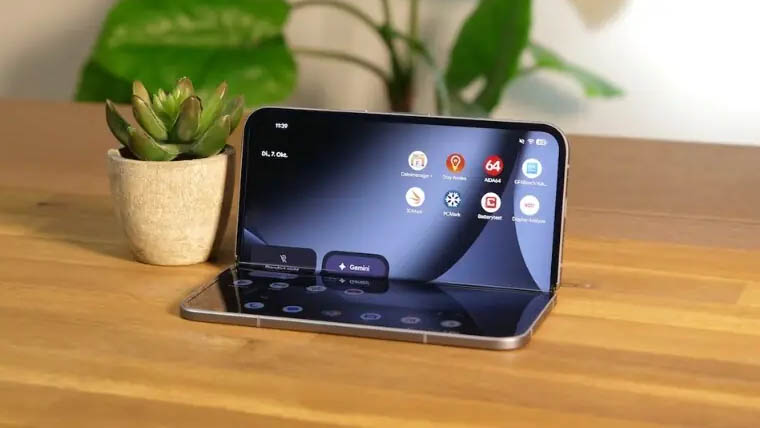
The advent of the foldable smartphone represents one of the most significant paradigm shifts in mobile technology in the last decade. Nearly every prominent global smartphone manufacturer has now entered this nascent but rapidly expanding market segment, signaling an industry-wide consensus on the inevitability of this form factor. Even tech giants known for their cautious and deliberate approach to market trends—most notably Apple—are reportedly advancing development for their own foldable device, anticipated for launch within the next few fiscal years. However, despite the market presence of devices spanning over half a decade, beginning with Samsung’s pioneering Galaxy Fold, this category continues to grapple with fundamental design and performance compromises that temper the overall user experience.
A critical examination of the current foldable offerings reveals that one of the most significant impediments lies in the structural engineering conundrum inherent to the device’s design. To facilitate a smooth, reliable folding action while maintaining a profile that does not exhibit cumbersome proportions when closed, these phones must house an intricate internal architecture. This architecture includes two distinct display panels, a precision-engineered hinge mechanism, multiple camera assemblies, and necessary battery components—all within spatial constraints far tighter than those of a monolithic flagship phone. Consequently, the demands of maintaining structural integrity and sleek aesthetics often necessitate sacrifices in other hardware domains, most acutely affecting the camera system.

The history of technology demonstrates that every major leap in form factor—from the transition to flat-screen televisions to the miniaturisation of personal computers—involves a temporary phase where portability and elegance are prioritised over absolute maximum processing or sensory capability. The foldable phone market is currently situated within this inevitable phase of compromise.
This mechanical limitation directly translates into a quantifiable hardware trade-off, particularly concerning photographic capability. Across the industry, flagship foldable devices frequently incorporate a camera system that, while highly capable in isolation, lags demonstrably behind the pinnacle specifications reserved for their premium, non-folding counterparts. A pertinent example is observed with the hypothetical Google Pixel 10 Pro Fold: its imaging setup shares identical or near-identical specifications with the standard Pixel 10 model, placing it at a clear disadvantage when benchmarked against the superior sensor and telephoto array of the Pixel 10 Pro XL. This pattern of necessary compromise is not an isolated incident specific to a single manufacturer; competing brands such as Samsung, Vivo, and others universally encounter and manage similar technical limitations in their respective foldable iterations, acknowledging the spatial constraints required by the folding chassis. This creates a challenging value proposition for the enthusiast consumer accustomed to an uncompromised photographic experience.
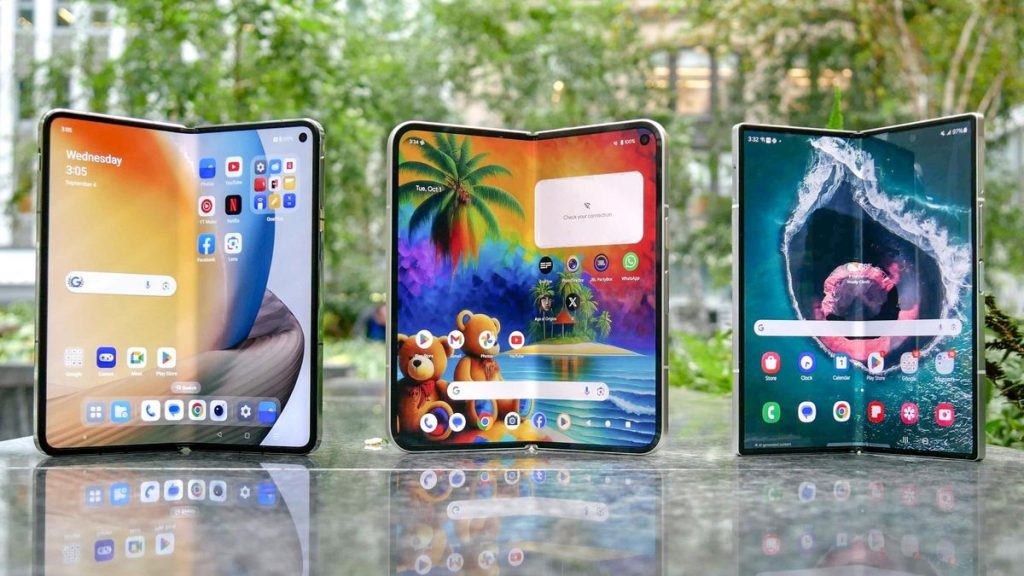
Furthermore, the integrity and aesthetic quality of the display itself present an enduring technical hurdle: the visible demarcation or crease. Despite significant advances in flexible screen technology and hinge design, the fold line remains subtly but recognisably visible, particularly under specific lighting conditions or when the inner display is viewed off-axis. While the presence of this ridge does not render the device unusable, and indeed many users quickly habituate to it, it represents a persistent flaw in the visual fidelity of the large inner screen. When engaging in high-fidelity media consumption, such as viewing cinematic content or examining detailed imagery, the subtle optical distortion interrupts the otherwise immersive quality afforded by the expansive screen size. The elimination of this structural signature remains a critical milestone for the technology’s eventual mass adoption and acceptance at the highest echelon of consumer electronics design.
Market Dynamics and Consumer Appeal
Despite these discernible engineering and display compromises, the consumer draw towards foldable devices continues to gain momentum, fueled by factors beyond mere technical specification. Their inherent novelty and distinctive design bestow upon them an air of fashionable exclusivity and uniqueness. This perception is further amplified by the significantly higher price point these devices command, which functions as a paradoxical catalyst for desirability. The premium cost inadvertently solidifies the foldable phone’s status as a luxury item and a signal of early technological adoption, reinforcing its appeal among consumers seeking a status symbol or a genuinely differentiated mobile experience.
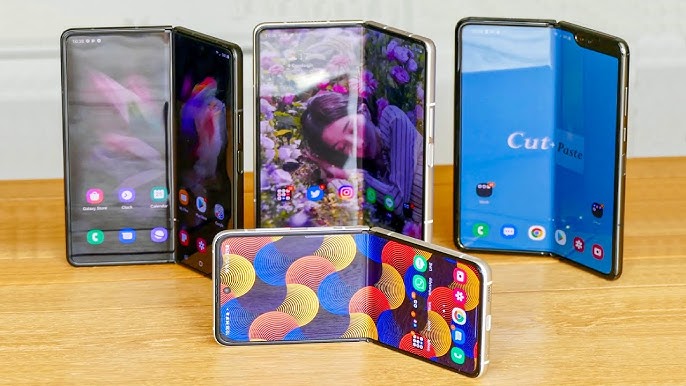
When considering the current landscape and weighing the various merits and demerits, the Google Pixel 10 Pro Fold emerges as the most compelling and judicious recommendation for a potential buyer today. While it may concede ground to certain competitors in terms of absolute peak processing power or camera sensor size, its overall performance profile is remarkably well-balanced and highly commendable. Crucially, it manages to surpass many rivals in key areas such as battery longevity and thermal management, two factors that are often compromised in the tightly packed architecture of competing foldable designs. The device’s superior efficiency ensures a consistent and reliable experience throughout the day without the excessive heat generation sometimes associated with complex multi-screen operation.
What truly elevates the Pixel 10 Pro Fold above its immediate rivals is the synergistic quality of its software and hardware integration. The expansive inner display provides a truly magnificent canvas for media consumption, transforming the viewing of films, browsing of detailed photos, and multitasking into a genuinely enriched experience—a core, palpable benefit of the dual-screen form factor. Furthermore, the software ecosystem is arguably peerless: Google’s refined, unencumbered Android experience is perfectly augmented by the integrated capabilities of the Gemini AI features. These advanced functionalities are meticulously optimised to leverage the expanded real estate, facilitating complex tasks such as parallel app usage, sophisticated data comparison, and on-screen content analysis with unparalleled fluidity. This robust software foundation is, arguably, the true competitive differentiator.
The ultimate success of the foldable segment rests not on the complete eradication of the hinge crease, but on the ability of manufacturers to deliver unique, form-factor-specific software experiences that cannot be replicated on a traditional slate device. Google’s synergy of clean OS design and advanced AI demonstrates a clear understanding of this principle.
However, even within this exemplary device, one notable limitation must be clearly acknowledged: storage capacity. The Pixel 10 Pro Fold is currently provisioned exclusively in a 256 GB configuration. For a device positioned at such a premium price point, intended for high-end media consumption and advanced multitasking, this capacity feels somewhat restrictive. This constraint becomes particularly salient when contrasted with several key competitors who routinely offer 512 GB or even 1 TB storage options, catering more comprehensively to the modern consumer’s growing demand for locally stored high-resolution media and extensive application libraries.
Conclusion
In summation, the contemporary foldable smartphone market operates at the intersection of technological ambition and manufacturing reality. Devices in this category inherently require the purchaser to accept small, predetermined compromises in hardware specifications—particularly in camera performance and storage density—in exchange for a groundbreaking form factor and unique usability benefits. The Google Pixel 10 Pro Fold, by virtue of its exceptional software refinement, superior battery endurance, and seamless AI integration, currently offers the most well-balanced and compelling experience. By managing expectations to acknowledge the inherent trade-offs for the sake of the ‘wow’ factor and enhanced, large-screen productivity, consumers will find the Pixel 10 Pro Fold to be the preeminent choice for embracing the next generation of mobile computing today.