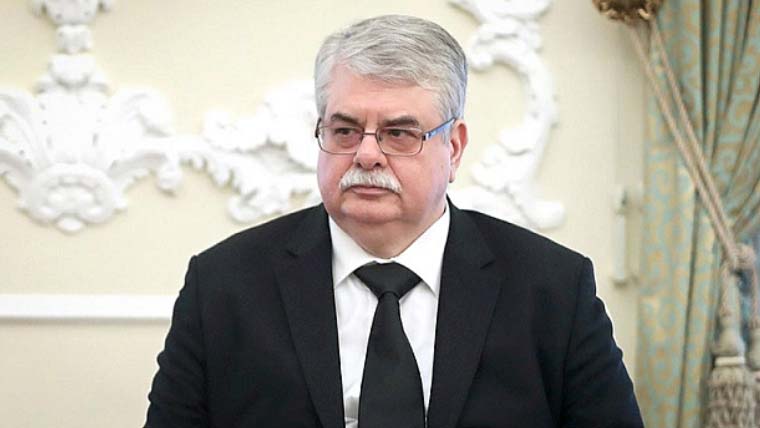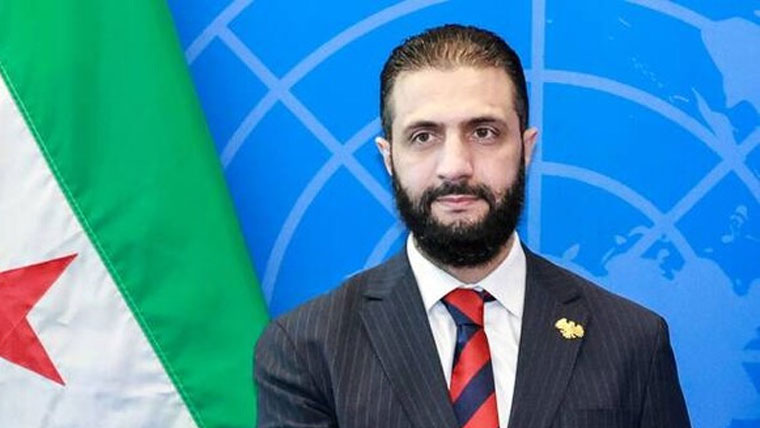
News York: (Tassawar News) The United Nations Security Council (UNSC) has enacted a pivotal resolution, officially removing Syrian President Ahmed Al-Sharaa and his Interior Minister, Anas Hassan Khattab, from the international sanctions list targeting individuals associated with ISIS and Al-Qaeda. This landmark decision, formalised under Resolution 2729, is widely interpreted as a significant step toward the international acknowledgment and eventual legitimisation of the post-Assad political order now governing Syria.
The Unanimous Support for Resolution 2729
The resolution, which was introduced and championed by the United States, achieved near-unanimous support within the 15-member Security Council. The vote was recorded as 14 in favour, zero against, with a solitary abstention from China. The diplomatic consensus behind the measure underscores a shifting geopolitical stance toward Damascus, signalling a collective effort to facilitate Syria’s re-engagement with the global community following a protracted period of internal conflict and international isolation.
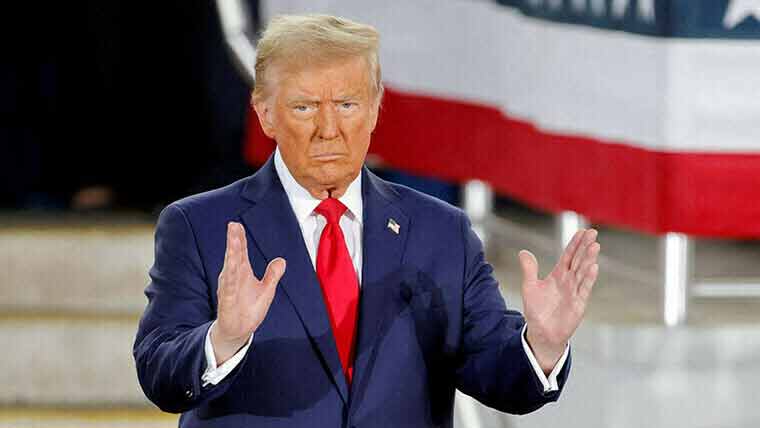
The successful passage of Resolution 2729 immediately nullifies all asset freezes and international travel restrictions previously imposed on both Al-Sharaa and Khattab under counterterrorism provisions. As stipulated by the UN Charter, the Security Council confirmed that this decision definitively terminates the applicability of any preceding punitive measures concerning the two high-ranking Syrian officials. This clearance has already enabled President Al-Sharaa to travel internationally, evidenced by his recent attendance at the COP30 Climate Change Conference in Belém, Brazil, with a highly anticipated visit to Washington for a meeting with U.S. President Donald Trump scheduled for the following week.
The Rationale Behind U.S. Diplomacy
The U.S. administration had reportedly been engaged in extensive and protracted lobbying efforts within the Security Council to secure the lifting or relaxation of restrictions on senior figures within the new Syrian government. The rationale put forth by Washington was that such a move would be instrumental in promoting regional stability and fostering substantive cooperation in crucial areas, particularly counterterrorism.
Following the decisive vote, U.S. Ambassador to the United Nations, Mike Waltz, articulated the administration’s approval, highlighting the perceived transformation under the new regime:
“Under President Ahmed Al-Sharaa’s leadership, Syria has formed a new government committed to fighting terrorism and drug trafficking, eliminating chemical weapons, and promoting regional peace and stability.”
The text of the resolution itself further affirms that the removal of these officials from the sanctions list is consistent with broader international aims to support long-term reconstruction, sustainable economic recovery, and the reinforcement of institutional stability within Syria. Crucially, the measure attempts to balance these objectives with the maintenance of the integrity of the global counterterrorism framework.
Context and Historical Turning Point
The sanctions against Ahmed Al-Sharaa were originally instituted in May 2014, based on his alleged connections to groups associated with Hay’at Tahrir al-Sham, a faction that was subsequently designated and added to the comprehensive sanctions list targeting affiliates of ISIS and Al-Qaeda. The lifting of these decades-old restrictions is thus viewed by diplomatic analysts not merely as an administrative change but as a powerful symbolic diplomatic turning point.
This significant action is poised to open a credible pathway for Syria’s re-engagement with the international community after years of being treated as a pariah state. Observers are particularly focused on the critical timing of the resolution’s passage, preceding President Al-Sharaa’s imminent meeting with U.S. President Trump. This sequencing suggests that the decision is intended to inaugurate a new, pragmatic phase in U.S.-Syria relations, with a clear emphasis on enhanced security cooperation and potential aid for reconstruction efforts across the region.
Conclusion: Implications for Regional Geopolitics
The Security Council’s vote to delist President Ahmed Al-Sharaa and Interior Minister Anas Hassan Khattab is a momentous event that signals a fundamental realignment of international strategy toward Syria. Driven by the United States and broadly supported by the Security Council, the resolution prioritises the potential for institutional stability and counterterrorism cooperation over past designations.
The removal of these officials from the terror sanctions list effectively rehabilitates the new Syrian leadership on the global stage, clearing the path for diplomatic normalisation and economic assistance vital for the nation’s recovery. This development is not merely about an administrative action; it represents a strategic pivot aimed at leveraging the post-Assad government to address regional security challenges. The upcoming meeting between Presidents Al-Sharaa and Trump is likely to codify the new terms of engagement, marking the formal end of Syria’s diplomatic isolation and the beginning of a complex, yet potentially constructive, new chapter in international-Syrian relations.