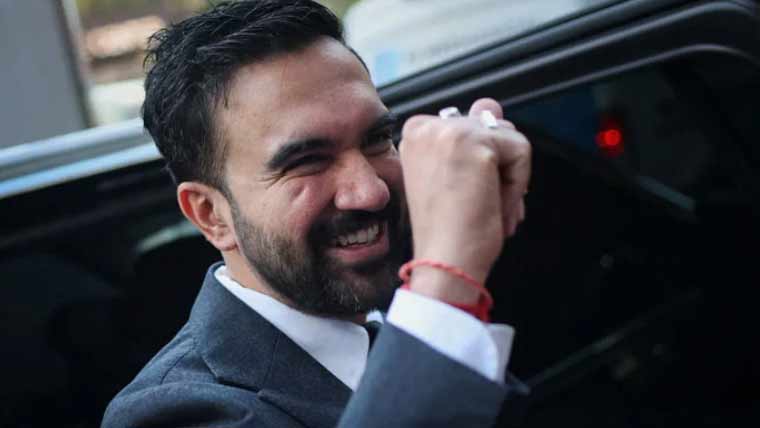
New York: (Tassawar News) The political identity of New York City, a global economic and cultural nexus, has been fundamentally recalibrated by the historic election of Zuhraan Mamdani as the city’s next mayor. The 34-year-old Democratic Socialist secured a definitive victory, overcoming both entrenched establishment opposition and highly publicized attacks from national political figures. This outcome is not merely a partisan triumph but an epochal breakthrough, positioning Mamdani as the first Muslim, first South Asian, and youngest mayor in over a century to govern the United States’ largest municipality. His victory signals a significant generational and ideological shift in one of the world’s most influential cities.
A Decisive Mandate Despite National Opposition
The final results of the New York mayoral race affirm a clear popular mandate for the Democratic Socialist platform. Mamdani garnered 486,741 votes, decisively defeating the former New York Governor Andrew Cuomo, who ran as an Independent and secured 396,177 votes, and the Republican candidate Curtis Sliwa, who trailed with 79,281 votes. This commanding lead, particularly against a well-known political dynasty figure, underscores the power of Mamdani’s grassroots mobilization and his policy focus on cost-of-living issues.
The election was notable for its exceptional civic participation, marking a record voter turnout—the highest since the pivotal 2001 mayoral race following the September 11th attacks—with over 1.7 million citizens casting their ballots. This heightened engagement, often attributed to the progressive surge and the competitive nature of the race, ultimately favoured the Democratic challenger.
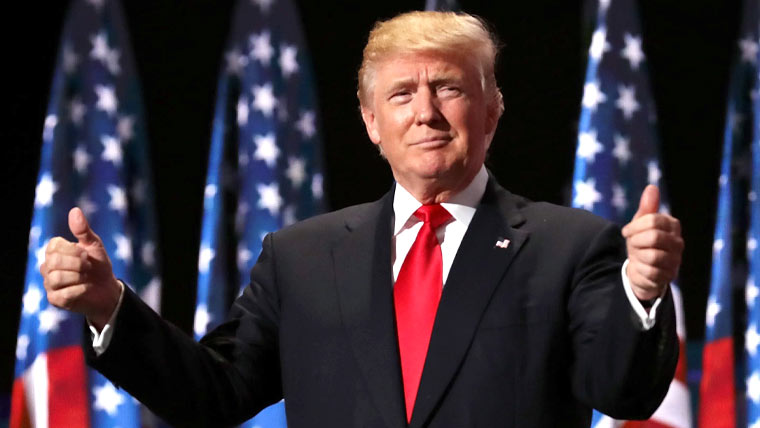
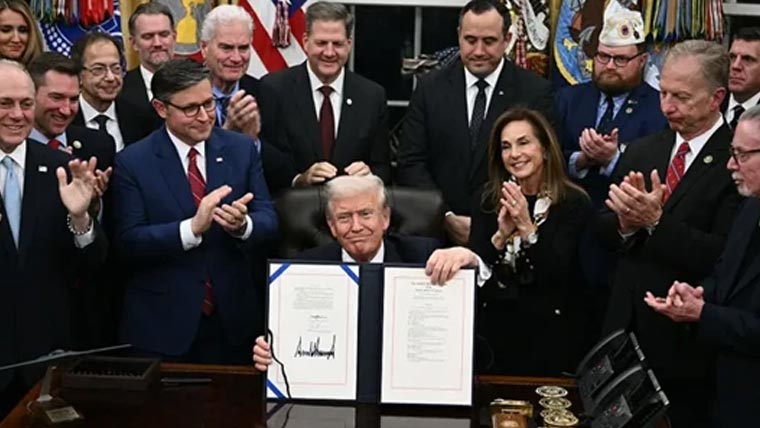
Mamdani’s campaign was waged against a backdrop of vociferous and targeted opposition, including public criticism from former U.S. President Donald Trump and technology magnate Elon Musk. The hostility from these figures, which included thinly veiled threats regarding federal funding and national security, ultimately failed to sway the New York electorate. Instead, the voters delivered a clear rebuke to fear-mongering and elected a progressive leader for the first time in the city’s history, highlighting the electorate’s resistance to external political pressure.
“Despite the outspoken and sustained political antagonism from figures like President Donald Trump, the New York electorate mobilized to deliver a decisive mandate. This outcome constitutes a profound rejection of fear-based politics and an unambiguous embrace of a progressive, inclusive vision for the city.”
The Socio-Political Significance of Mamdani’s ‘Firsts’
Zuhraan Mamdani’s ascendancy is steeped in historical significance, fulfilling multiple criteria for being a barrier-breaking leader. By becoming the city’s first Muslim mayor, his victory carries immense symbolic weight in a city with one of the largest Muslim populations in the Western Hemisphere. His win is a powerful statement about the maturity of American democracy and its capacity to integrate leaders from diverse religious and ethnic backgrounds into the highest echelons of power, directly confronting prevailing currents of Islamophobia.
Furthermore, as a Democratic Socialist—a policy identity characterized by calls for universal social programs, rent control, and higher taxes on the wealthy—Mamdani’s election signals a fundamental ideological shift in a city historically viewed as the nation’s capitalist stronghold. His policy platform is hyper-focused on affordability and economic justice, advocating for measures such as:
- Rent freezes for stabilized tenants and massive construction of affordable housing.
- Fare-free public buses and universal childcare.
- City-owned grocery stores to combat high food costs.
His victory validates the strategic approach of the progressive wing of the Democratic Party, which has successfully mobilized young, diverse, and economically disaffected voters to challenge the party’s centrist establishment.
“The election of a self-declared Democratic Socialist to lead the nation’s financial capital demonstrates a seismic ideological realignment, indicating that New Yorkers prioritise fundamental economic justice and affordability measures over traditional corporate-friendly governance models.”
Broader Context of State and Local Elections
While the New York mayoral race commanded intense national attention, it occurred amidst a cascade of local and state elections across all 50 U.S. states. These concurrent contests underscore the dynamic political environment currently gripping the country. The decisive outcomes in New York complemented Democratic successes in other key battleground states:
- In Virginia, the gubernatorial and lieutenant gubernatorial races concluded, resulting in a historic Democratic victory with the election of the state’s first female governor, Abigail Spanberger.
- In New Jersey, the gubernatorial race remained tightly contested, with Democrat Mikie Sherrill holding a narrow lead, indicative of the close political polarization persisting in suburban states.
These results collectively suggest a resurgence of Democratic organizing and voter engagement in key urban and suburban centers, often fueled by dissatisfaction with national political trends and a demand for locally responsive governance.
Conclusion: A New Era for New York City
Zuhraan Mamdani’s election is a seminal event in New York City’s political history, securing not only a statistical victory but an unambiguous mandate for progressive, inclusive governance. At 34, he brings a youthful energy and an ideological commitment to addressing systemic inequality that has rarely been seen in the city’s highest office. By overcoming formidable political and ideological opposition, his victory confirms the power of grassroots mobilization and the changing demographic realities of American urban centers. As the city prepares for an administration focused on affordability and social services, Mamdani’s tenure will undoubtedly serve as a critical test case for the viability of democratic socialism in a major global metropolis, shaping the trajectory of New York’s political and social future for years to come.