AUSTIN (Web Desk): In a development that has already been deemed an epoch-making event in corporate financial history, Tesla, Inc.’s Chief Executive Officer, Elon Musk, has been provisionally awarded a remuneration package potentially valued at an unprecedented one trillion dollars. This monumental agreement, sanctioned during the company’s recent Annual General Meeting (AGM) in Austin, Texas, is not merely a record-setting financial arrangement but a profound statement regarding the perceived value of singular leadership within a multinational corporation. The implications of this decision extend far beyond the immediate financial balance sheet, opening a fresh debate concerning corporate governance, incentive alignment, and the growing disparity in executive versus average employee earnings.
The Magnitude of Shareholder Endorsement
The approval of this landmark compensation structure was secured by an overwhelming majority, with approximately 75% of the voting shareholders endorsing the extraordinary pay deal. This decisive ratification, which was met with widespread acclamation and enthusiasm within the AGM hall, signals a remarkably robust, albeit controversial, degree of investor faith in Mr. Musk’s long-term vision and capacity for execution. The compensation plan is fundamentally performance-based, meticulously tying Mr. Musk’s substantial prospective payout to Tesla’s operational performance and market valuation milestones over the ensuing ten-year period. Consequently, the actual receipt of the full compensation—in the form of hundreds of millions of new Tesla shares—is entirely conditional upon the realisation of highly ambitious corporate growth and valuation targets.
Under the specific terms delineated in the agreement, the staggering payout will be unlocked not in a single tranche, but gradually, corresponding directly to quantifiable increases in Tesla’s market capitalisation. The plan is ingeniously structured to ensure that Mr. Musk’s personal financial interests are inextricably linked to the sustained, multi-year success of the enterprise, thereby providing an intense, long-term motivational impetus to accelerate Tesla’s innovation pipeline and solidify its preeminent position in the global market.
Strategic Objectives and Visionary Metrics
The ambitious goals integrated into this new incentive plan dramatically underscore Tesla’s strategic trajectory, positioning the company as more than just a leader in the electric vehicle (EV) sector. Specifically, the agreement mandates an astronomical increase in the company’s market value, projecting a leap from its current $1.4 trillion valuation to an astonishing $8.5 trillion. This five-fold increase in value is complemented by equally disruptive operational objectives, including the deployment of one million fully autonomous RoboTaxi vehicles for commercial operation.
The inclusion of such aggressive metrics signals a clear pivot towards a diversified future dominated by Artificial Intelligence (AI) and advanced robotics, moving beyond the traditional automotive manufacturing framework. This calculated risk, which the compensation package is designed to mitigate through incentivisation, highlights a corporate strategy aimed at revolutionising mobility and automation globally. Analysts generally concur that the sheer scale of the trillion-dollar package reflects the Board’s profound confidence in Mr. Musk’s unique entrepreneurial genius and his proven ability to translate groundbreaking ideas into tangible, market-dominating realities.
Corporate Governance and Ethical Scrutiny
Nevertheless, this unprecedented level of executive compensation has not been universally welcomed. It has inevitably attracted intense scrutiny from financial analysts and experts in corporate governance, many of whom have raised serious concerns about its potential impact on corporate ethics and equity. Critics argue that the package is disproportionate, questioning the fairness of such remuneration, particularly when contrasted with the earnings of the average employee, a disparity that reflects broader systemic issues in contemporary capitalism.
The core of the criticism revolves around the definition of an executive’s ‘value-add’ and whether any single individual, regardless of their visionary capabilities, should command a financial reward of this magnitude. Furthermore, the sheer size of the potential stock grant raises questions about potential dilution of existing shareholder value.
In response to this substantial critique, the Tesla Board of Directors offered a steadfast defence of the package, grounding their rationale in the concept of Mr. Musk’s essential and non-replicable leadership. Their publicly quoted statement focused on the critical risk of an executive departure:
“Should the proposed compensation structure face repudiation, there exists a palpable contingency that Elon Musk may elect to divest his leadership from Tesla. Given his pivotal, almost singular, role in the company’s trajectory and his capacity to drive unparalleled innovation, the Board maintains that the enterprise cannot sustainably thrive in his absence.”
This defense, essentially framing the compensation as a necessary retention measure, underscores a significant philosophical departure from conventional corporate compensation models, implicitly accepting that the company’s survival hinges upon the commitment of one person.
The Symbolism of Investor Unwavering Faith
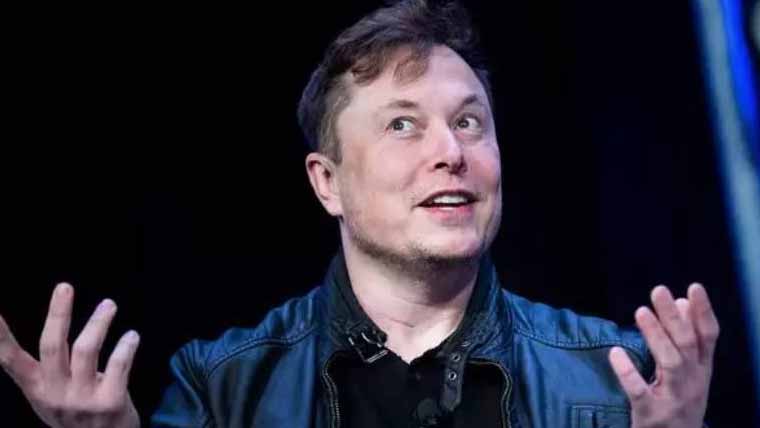
Following the definitive approval of the deal, Mr. Musk’s appearance on stage at the AGM was met with an almost celebratory atmosphere, symbolised by his own spontaneous display of dancing and the vigorous cheering of the gathered crowd. His subsequent remarks captured the audacious spirit of the new corporate mandate:
“What we are about to start is not merely a new chapter in Tesla’s journey—it is, conceptually, a whole new book.”
This sentiment encapsulates the feeling that the company is poised for a significant strategic pivot, backed by a refreshed mandate from its investors. His humorous addition that “other companies have boring shareholder meetings, but ours are exciting” highlights the non-conventional corporate culture that often eschews traditional decorum in favour of high-energy visibility and dramatic pronouncements. The overwhelming shareholder support, therefore, serves as a powerful signal of unwavering investor confidence, validating Mr. Musk’s unique, often disruptive, leadership style and his pivotal role in transforming Tesla from an ambitious start-up into one of the world’s most highly capitalised and technologically advanced corporations.
In essence, the compensation package is less a payment for past performance and more an aggressive investment in future, paradigm-shifting performance, predicated on the belief that only Mr. Musk possesses the requisite drive and vision to navigate Tesla toward the lofty $8.5 trillion benchmark.
Conclusion
The approval of Elon Musk’s potentially trillion-dollar compensation package marks a truly seminal moment in the history of executive remuneration. On one hand, it represents the apotheosis of performance-based incentives, aligning an individual’s fortune directly with highly ambitious corporate objectives that promise to redefine the EV, AI, and robotics sectors. On the other hand, it simultaneously ignites critical, complex debates regarding corporate responsibility, executive fairness, and the concentration of corporate influence. Ultimately, the success or failure of this audacious compensation plan will be judged not by the applause at the AGM, but by the eventual realisation of the mandated performance targets over the next decade, setting a critical precedent for how corporate genius is valued and incentivised in the 21st century.