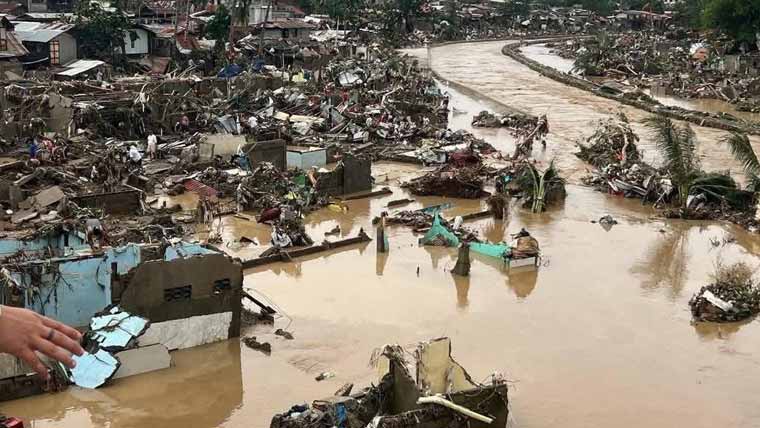
Manila: (Tassawar News) A catastrophic typhoon has recently swept through the coastal regions of the Philippines and Vietnam, resulting in widespread destruction and a tragic loss of life. The natural disaster has claimed the lives of 193 individuals and caused extensive displacement, compelling thousands of residents to abandon their homes and seek urgent refuge in emergency shelters. This event serves as a stark reminder of the extreme vulnerability of Southeast Asia to severe and escalating weather phenomena.
Devastation Figures: The Philippines Bears the Brunt
According to reports from numerous news agencies, the Philippines experienced the most devastating impact of the storm. The nation has confirmed 188 fatalities, primarily attributed to flash flooding, the collapse of residential structures, and severe storm surges that inundated coastal areas. In neighboring Vietnam, the typhoon has tragically claimed five lives, while simultaneously injuring dozens and rendering many people homeless due to landslides triggered by relentless, torrential rainfall.
The disparity in casualty figures highlights the intense localized impact of the storm as it first made landfall. The swift mobilization of emergency teams by local authorities in both countries was essential to initiating assistance for the severely affected populations.
News reports confirm the extreme toll: “the Philippines bore the brunt of the storm, with 188 confirmed fatalities reported due to flooding, collapsing homes, and storm surges.”
Mass Evacuations and the Crisis of Displacement
The immediate consequence of the typhoon’s arrival was the necessity for mass evacuations and large-scale displacement. Numerous residents from particularly vulnerable coastal communities were forcibly moved to temporary shelters, a crucial step taken to protect them from relentlessly rising waters.
The humanitarian crisis unfolding in the wake of the storm has disproportionately affected vulnerable groups, with women and children facing acutely dangerous conditions. The pervasive flooding continues to impact vital infrastructure, including homes, educational institutions (schools), and critical healthcare facilities. Authorities have issued a grave appeal, underscoring the urgent need for medical aid, food supplies, and clean drinking water for the thousands of displaced families now residing in overcrowded temporary camps. The interruption of essential services, coupled with unsanitary conditions in shelters, significantly heightens the risk of disease outbreaks.
Flooding and Critical Infrastructure Breakdown
The typhoon’s immense power instigated widespread and destructive flooding, extensive property damage, and mass power outages across the affected areas. A major barrier to ongoing relief operations has been the severe damage to the transportation network: roads and bridges connecting numerous affected towns were washed out, effectively isolating communities and significantly hampering the swift movement of essential aid.
Furthermore, the economic and long-term subsistence consequences are dire. Vast tracts of agricultural lands have been submerged, posing an imminent threat to food security for local communities dependent on seasonal yields. The loss of crops and livestock will necessitate substantial and sustained financial support to restore local economies. The extent of infrastructure damage necessitates a major, coordinated engineering effort to restore connectivity.
International Appeal and the Call for Vigilance
Both the Philippines and Vietnam have been compelled to issue formal appeals for international assistance to effectively cope with the overwhelming aftermath of the devastating weather event. Emergency relief operations are currently multifaceted, involving complex rescue missions, the critical distribution of food and water, and the establishment of temporary medical facilities to treat the injured and attend to the health needs of the displaced.
Meteorological experts have issued a serious warning that the after-effects of the typhoon, including the persistent threat of flash floods and destructive landslides, may continue to endanger residents even after the primary storm has dissipated. Authorities are vehemently urging the public to “remain vigilant” and to strictly avoid returning to affected areas until safety is guaranteed by official assessments.
Conclusion: Resilience and the Necessity of Disaster Preparedness
Officials in both Southeast Asian nations are currently engaged in a comprehensive process to assess the full scale of the damage and meticulously plan long-term recovery measures. The monumental tasks ahead include the reconstruction of thousands of homes, the extensive restoration of vital infrastructure, and the provision of continuous support for displaced populations. These efforts are anticipated to require a commitment of time spanning weeks, and potentially months.
Ultimately, this catastrophic natural disaster serves as a sobering and urgent underscore of the inherent vulnerability of coastal communities across Southeast Asia to these severe weather events. It highlights the indispensable need for robust early warning systems, comprehensive disaster preparedness protocols, and, critically, enhanced and sustained international cooperation in both immediate relief operations and long-term climate resilience planning. The tragedy reinforces the global responsibility to support regions most susceptible to the escalating impacts of climate change.