Peshawar: (Tassawar News) The Khyber Pakhtunkhwa (KP) government has decisively responded to the marked deterioration in the province’s law and order situation by resolving to convene a high-level Peace Jirga on November 12. This initiative represents a critical institutional step toward developing a unified, multi-party strategy aimed at effectively addressing the escalating security concerns that threaten the region’s stability and public confidence. The government’s recognition of the complex and persistent nature of these challenges has necessitated a comprehensive, inclusive approach, moving beyond partisan politics to foster collective security.
Inclusive Dialogue and Comprehensive Agenda
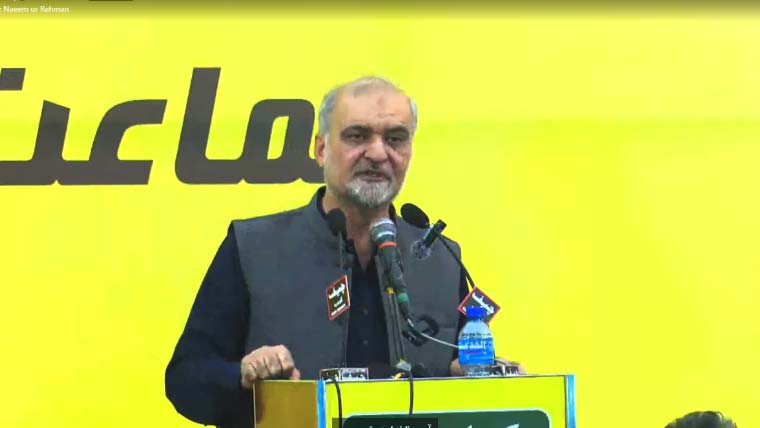
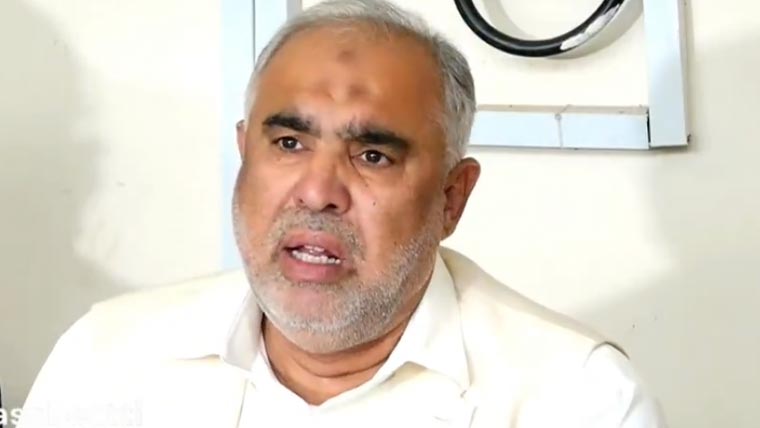
Official sources indicate that the forthcoming Peace Jirga is designed to be highly representative and politically inclusive. Invitations will be extended to a diverse array of stakeholders, including representatives from opposition parties, former chief ministers and ex-governors, and various senior officials. This broad participation underscores the administration’s intent to secure a shared mandate and mutual responsibility among the province’s political elite for the security framework.
The primary objective is the formulation of a cohesive strategy to bolster security across the province. Beyond immediate counter-terrorism tactics, the Jirga’s agenda will also place significant emphasis on crucial governance and political dimensions:
- Reinforcing Political Stability: Addressing underlying political tensions to ensure effective governance.
- Enhancing Counter-Terrorism Measures: Critically assessing the effectiveness of current operations and formulating future strategies.
- Fostering Inter-Party Cooperation: Establishing mechanisms for sustained collaboration to restore public trust.
A preceding preparatory meeting involving the ruling party’s leadership was utilized to meticulously finalize the agenda. This gathering encompassed a thorough review of the prevailing political landscape, a critical discussion of recent incidents of unrest, and an appraisal of the efficacy of ongoing law enforcement operations. Crucially, officials affirmed that deliberations will extend beyond immediate security dynamics in sensitive regions like Khyber, Kurram, and Peshawar, to explore long-term strategies for achieving sustainable peace through community engagement and regional collaborative frameworks.
Strategic Outreach and Inter-Governmental Concerns
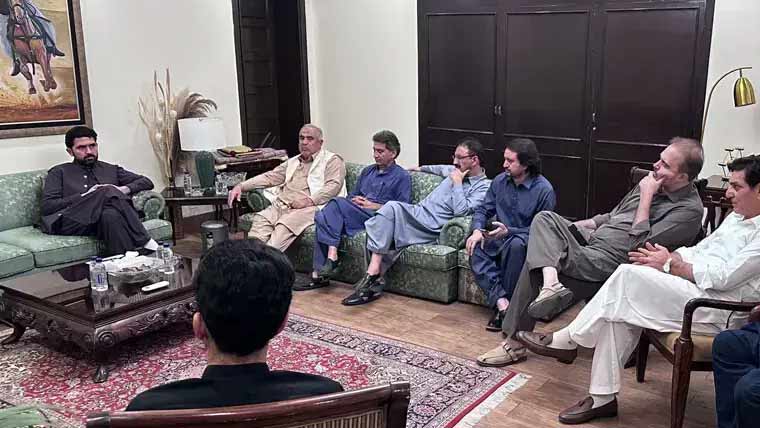
In a related and politically significant move, Chief Minister Sohail Afridi undertook a visit to the residence of Mahmood Khan Achakzai, the leader of the Pakhtunkhwa Milli Awami Party (PkMAP). This high-profile engagement served as a vital preparatory step for the Peace Jirga, facilitating an exchange of perspectives on broader national and political affairs, with particular attention dedicated to the security situation in Kurram.
The meeting’s substance, however, extended into the highly contentious domain of constitutional integrity. Discussions explicitly included the 27th Constitutional Amendment and its potential implications for provincial autonomy. This indicates a heightened level of political interest in how the proposed legislative alterations might fundamentally affect the delicate balance of power stipulated by the country’s federal structure, especially in the wake of the extensive devolution achieved through the 18th AmendmentDefending Fiscal Autonomy: The NFC Award as a Cornerstone
Chief Minister Afridi utilized the platform of his meeting with Achakzai to forcefully articulate the province’s concerns regarding the National Finance Commission (NFC) Award. He underscored that any attempt to interfere with this constitutional mechanism—which governs the equitable distribution of financial resources between the federal government and the provinces—would be profoundly detrimental to national unity.
“The NFC Award is a cornerstone of Pakistan’s federal structure,” Afridi asserted, thereby elevating the issue of resource distribution to a matter of fundamental constitutional importance.
He issued a stark warning against any policy maneuvers that could potentially compromise the financial rights of the provinces, arguing that a truly equitable distribution of resources is not merely an economic consideration but a crucial prerequisite for maintaining federal harmony and nurturing public trust across the federation.
“Tampering with it [the NFC Award] will only weaken the sense of national cohesion and fairness,” the Chief Minister concluded, firmly positioning the KP administration as a staunch defender of provincial fiscal autonomy and constitutional guarantees.
Outlook and Significance: A Model for National Dialogue
The Khyber Pakhtunkhwa government’s decision to extend invitations to opposition parties is a noteworthy step toward political inclusivity, fostering a spirit of mutual understanding and shared accountability in addressing the perennial security issues that have plagued the province over the past decade. This move has been widely commended by political analysts, who view the initiative as a constructive effort toward political reconciliation.
The upcoming Peace Jirga is therefore anticipated to function as a vital platform for meaningful dialogue, serving to bridge existing political divides and firmly underscore the government’s commitment to both constitutional integrity and public safety. The expected attendance of key political figures, security experts, and community leaders grants the Jirga the potential to play a pivotal role in shaping the long-term peace policy of Khyber Pakhtunkhwa. Observers maintain that such constructive engagement among political forces at the provincial level could set a significant and valuable precedent for national-level dialogue on critical issues encompassing peace, security, and the enduring debate over provincial rights and federal-provincial power sharing.
Would you like me to research the historical precedents or the constitutional basis of a “Peace Jirga” in the context of Khyber Pakhtunkhwa?