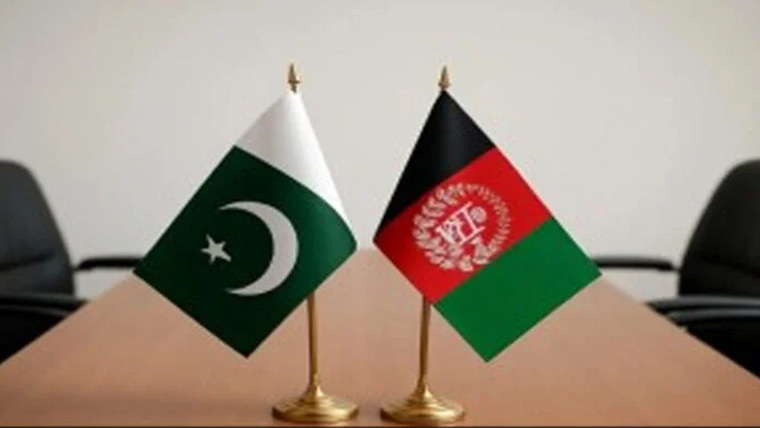
Islamabad: (Tassawar News) In a significant diplomatic move aimed at de-escalating heightened border tensions and establishing a robust mechanism for counter-terrorism cooperation, Pakistan and Afghanistan are currently engaged in the third round of high-level security talks. The critical meeting is being hosted in Istanbul, Turkey, underscoring the vital mediating roles played by Turkey and Qatar in this protracted bilateral negotiation process. This latest session is viewed as a crucial effort to finalize measures preventing the use of Afghan soil for launching terrorist attacks against Pakistan.
Pakistan’s Unwavering Demand for Non-Aggression
Pakistan’s delegation, led by Defence Minister Khawaja Asif, has already arrived in Istanbul to participate in the negotiations. Minister Asif reiterated Islamabad’s firm, non-negotiable stance: that the territory of Afghanistan must not be exploited by militant entities seeking to perpetrate acts of terrorism against Pakistan. The Minister articulated a clear preference for meaningful engagement over procedural deadlock.
Defence Minister Khawaja Asif emphasized the clarity of Pakistan’s position: “Our only demand is that Afghan soil should not be used for attacks on Pakistan.”
He further stressed the principle guiding Pakistan’s participation in the dialogue, stating that time would not be wasted on unproductive discussions:
“We believe in dialogue only when there is potential for progress — otherwise, it’s a waste of time.”
Minister Asif expressed a palpable hope that the Afghan Taliban authorities would exercise prudence and political wisdom in their actions, recognizing the shared imperative to promote enduring peace and stability across the entire South Asian region. His remarks underscore a commitment to diplomatic resolution, provided there is a tangible commitment to reciprocity and actionable outcomes from the Afghan side.
Anticipated Progress on Ceasefire Implementation
Diplomatic sources privy to the negotiations have indicated that this third round of talks holds the potential to be particularly consequential. A primary goal is the finalization of a definitive framework for the implementation and monitoring of a ceasefire agreed upon previously, along with establishing clear protocols for addressing and penalizing any future violations.
The composition of the Afghan delegation highlights the seriousness with which Kabul is approaching this dialogue. A senior Taliban official confirmed to a British media outlet that key figures involved in security and foreign affairs are participating, including:
- Intelligence Chief Abdul Haq Wasiq
- Deputy Interior Minister Rahmatullah Najib
- Taliban Ambassador to Doha Suhail Shaheen
- Anas Haqqani
- Abdul Qahar Balkhi, among other officials.
The presence of high-ranking security and political figures suggests a centralized authority capable of making critical decisions, potentially addressing the procedural delays encountered in previous sessions.
Background of Escalation and Stalled Diplomacy
The current round of talks follows a worrying period of escalating tensions. The situation significantly deteriorated after reported cross-border attacks from the Afghan side targeted Pakistani border posts on October 11. These incidents prompted a swift diplomatic response, leading to a temporary ceasefire agreement reached on October 19 in Doha, Qatar. This initial success was the result of concerted diplomatic efforts facilitated by both Turkey and Qatar, thereby creating the necessary space for direct engagement between the two nations.
The second round of talks, which also took place in Istanbul on October 25, regrettably failed to produce any meaningful progress on Pakistan’s fundamental demand: the absolute cessation of all terrorist activities originating from Afghan territory. Reports from that session highlighted significant procedural hurdles, primarily stemming from the Afghan delegation’s perceived need to continuously seek instructions from Kabul and Kandahar, a process that frustrated Pakistani negotiators and resulted in significant delays.
Mediation Efforts and the Road to Today’s Meeting
Following the disappointing outcome of the second round, the Pakistani team was reportedly preparing to withdraw from Istanbul. However, intervention by the Turkish Ministry of Foreign Affairs proved instrumental. The Turkish delegation requested a final opportunity to resume and salvage the stalled dialogue, a request the Pakistani side ultimately accepted, paving the way for the current third round of discussions.
A statement released by the Turkish Ministry of Foreign Affairs outlined the specific consensus achieved between the parties that facilitated the continuation of the talks:
- Maintenance of the existing ceasefire agreement.
- Establishment of a monitoring and verification mechanism to ensure compliance.
- Enforcement of penalties for any confirmed violations of the agreed-upon terms.
- Agreement to hold another round of senior-level talks on November 6 (today).
The explicit aim of the current meeting is therefore to meticulously build upon these previous understandings and, crucially, to prevent any further and potentially irreversible deterioration of already fragile bilateral relations.
Regional Significance and Counterterrorism Imperatives
These negotiations carry immense significance for regional peace and stability, extending far beyond the immediate border. Analysts view the successful outcome of the Istanbul talks as a critical step in the broader efforts to foster effective counterterrorism cooperation. Pakistan continues to face acute security threats from militant groups operating near the shared border. Simultaneously, the Afghan interim government faces considerable international pressure to honour its commitments and ensure its territory is not utilized as a launchpad for attacks against any neighbouring state.
Observers believe that a positive and definitive outcome in Istanbul could genuinely facilitate broader security cooperation between the two neighbours and inject much-needed stability into their cross-border relationship after months of recurring tension and mistrust. The success of these talks is essential for the security architecture of the entire region.
Conclusion
The third round of high-level security talks between Pakistan and Afghanistan in Istanbul represents a pivotal moment in their complex bilateral relationship, directly addressing the critical issue of cross-border terrorism. Driven by Pakistan’s clear demand for the cessation of attacks originating from Afghan soil, the negotiations are focused on establishing a concrete and verifiable mechanism for a durable ceasefire and effective violation monitoring. Despite previous procedural setbacks, the concerted efforts by Turkey and Qatar to mediate underscore the regional importance of achieving a stable solution. The successful outcome of this diplomatic engagement is essential not only for preventing a further security breakdown along the border but also for laying the foundation for broader counter-terrorism cooperation, which is crucial for the long-term peace and security of both nations and the wider region.
Would you like me to look up the results or official statements following this round of talks on November 6th?