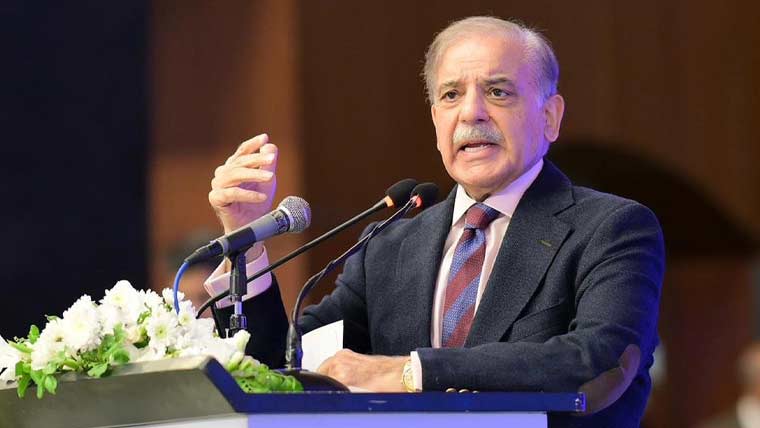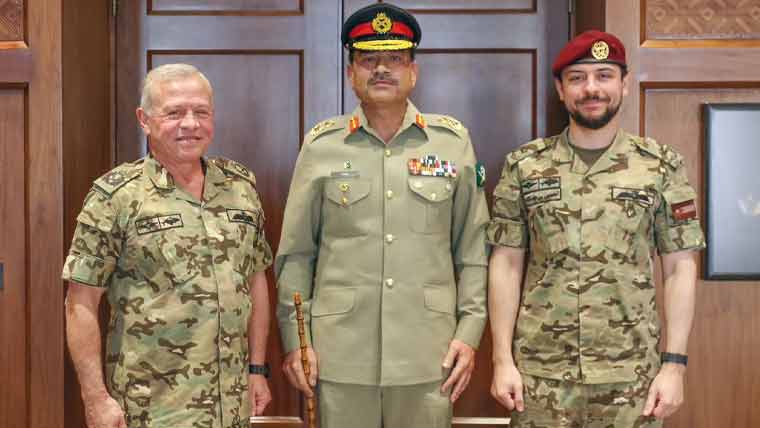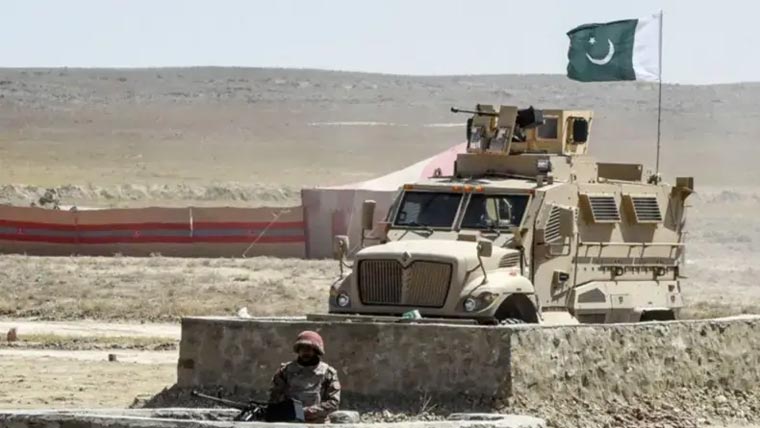
Istanbul / Islamabad: (Tassawar News) The latest and, by many accounts, final attempt to forge a formal security agreement between Pakistan and the Afghan Taliban concluded in definitive failure in Istanbul. Pakistan’s Defense Minister, Khawaja Asif, confirmed that the recent round of talks has officially terminated, with the Pakistani delegation returning to Islamabad “empty-handed.” The inability of the two sides to reach a written agreement on key security and border issues, particularly concerning cross-border terrorism, has led to a critical diplomatic impasse, suggesting the exhaustion of current mediation efforts.
Mediation Fails: Khawaja Asif Confirms Collapse of Dialogue
Speaking in the aftermath of the collapsed negotiations, Khawaja Asif expressed gratitude towards the mediating nations, Türkiye and Qatar, acknowledging their sincere efforts to bridge the significant political and security differences separating Pakistan and the Afghan Taliban. However, he was unambiguous about the outcome, stating that the mediators were “ultimately unsuccessful.”
The Minister provided a sobering assessment of the future of the dialogue: “The talks have ended, and there is currently no plan for another round.” He went a step further, interpreting the failure to secure any commitment as a signal of broader discouragement: “Our return without an agreement is proof that even the mediators have lost hope of any meaningful progress with Afghanistan.” This suggests that the collapse of the Istanbul round signifies more than just a temporary breakdown but rather a profound disillusionment with the current process and the Afghan side’s negotiating posture.
The Breaking Point: Pakistan Rejects Verbal Guarantees
Khawaja Asif revealed that the core issue leading to the failure was the Afghan delegation’s insistence on oral assurances instead of providing written, documented commitments. This proposal was unequivocally rejected by Pakistan, which views documented agreements as non-negotiable in international diplomacy, especially on sensitive security matters.
The Minister made clear the fundamental requirement for any official agreement:
“There is no place for verbal guarantees in international diplomacy,” Asif stressed. He asserted that “Any final agreement during official negotiations must be documented in writing.”
According to the Defense Minister, while the Afghan representatives “verbally agreed” with Pakistan’s fundamental security demands, they ultimately “refused to put their agreement in writing.” This refusal was designated as “the breaking point”—a critical moment where diplomatic niceties ended and the necessity for legally binding commitments took precedence. For Pakistan, the lack of a written signature rendered all verbal promises politically worthless, especially in light of the ongoing threat posed by cross-border militants.
Mediators Acknowledge Dead End
Khawaja Asif emphasized the positive role played by Türkiye and Qatar throughout the process, stating that they “played a positive and sincere mediating role,” and even “fully supporting Pakistan’s stance.” Yet, their inability to force a written commitment from the Afghan side ultimately led them to withdraw their facilitation.
“We are thankful to Türkiye and Qatar for their efforts,” he said, “but when even the mediators step back, it clearly means they no longer see hope in the process.”
The Minister further disclosed a critical detail: the Pakistani delegation was advised by the mediators to depart. “But when they advised us to leave, it was clear that they, too, had given up.” This strong indication that the mediating countries themselves had lost faith in the immediate prospect of progress was the final factor sealing the talks’ fate.
Pakistan’s Security Stance: Reciprocity and Self-Defense
The failure of the diplomatic track has prompted Pakistan’s Defense Minister to issue a clear and unambiguous warning regarding Pakistan’s future security posture. Khawaja Asif stressed that if militant attacks against Pakistan are “launched from Afghan soil,” the country “will respond firmly.” He reiterated the foundational condition for peace: “If there are no hostilities from across the border, the ceasefire remains intact.”
Pakistan’s demand, he reiterated, is simple and non-negotiable: “Afghanistan must ensure that its territory is not used against Pakistan.”
The Minister also addressed the specific problem of the Tehreek-e-Taliban Pakistan (TTP), a militant group operating from Afghan territory. He stressed that if the Afghan Taliban are genuinely “unable to control TTP fighters,” then Pakistan must be granted the right to take necessary defensive action inside Afghan territory. “If Pakistan takes defensive measures within Afghanistan, then Kabul should have no objection,” he added, clearly signalling a potential shift toward unilateral, defensive cross-border action should the diplomatic route remain closed.
Conclusion: A Critical Diplomatic Impasse
The Istanbul talks, which represented the third and possibly final major attempt to establish a formal security mechanism between Islamabad and Kabul, have unequivocally ended in a deadlock. The refusal by the Afghan side to sign a written understanding—specifically concerning the containment of TTP militants—has brought both parties to a critical diplomatic impasse. While Pakistan officials maintain that they remain open to future engagement, they are also adamant that any new dialogue will be contingent upon receiving firm written guarantees—not mere verbal promises—from the Afghan side. The collapse of these negotiations signifies a marked escalation of border and security tensions, returning the relationship to a fragile state reliant primarily on mutual restraint rather than formal agreement.