Washington (Tassawar News): The geopolitical dynamics of the ongoing conflict in Eastern Europe have entered a potentially escalatory phase following a significant decision by the U.S. Department of Defense. The Pentagon has formally approved the provision of long-range Tomahawk cruise missiles to Ukraine, a move that signifies a profound elevation in the quality and reach of military assistance being extended to Kyiv. Notably, Pentagon officials have proactively sought to mitigate domestic concerns by affirming that this transfer, if executed, “will not deplete U.S. stockpiles,” suggesting a careful inventory management strategy designed to sustain both allied support and national defense readiness. Despite this crucial departmental approval, the ultimate authorization for the transfer remains contingent upon the explicit sign-off of the U.S. President.
The Rationale for the Transfer: Targeting Critical Infrastructure
According to analyses derived from international media reports and privileged U.S. defense sources, the decision to greenlight the provision of these advanced munitions represents a direct and measured response to an explicit request from Kyiv. Ukraine’s objective in acquiring the Tomahawk system is strategically clear: to enhance its capacity to target critical Russian energy and infrastructure sites deep within contested or occupied territories. The possession of a reliable, long-range precision strike capability would fundamentally alter the operational calculus of the conflict, enabling Ukraine to exert significant pressure on Russian logistics and command structures far from the established front lines.
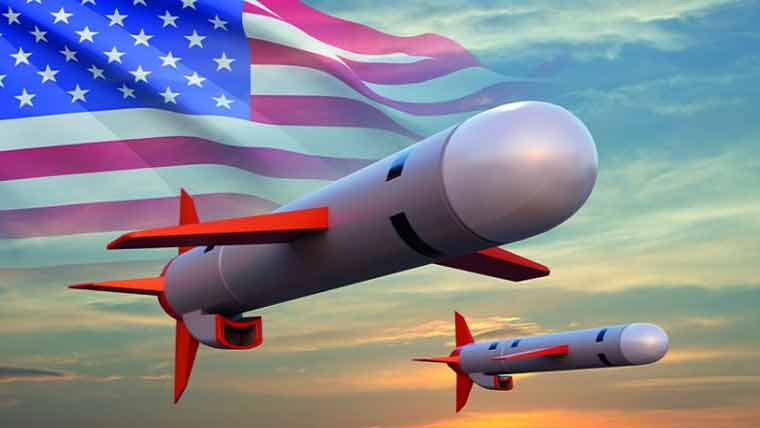
The Tomahawk missile itself is a globally recognized platform, classified as a long-range, subsonic cruise missile. Its effective range, often publicly cited for modern variants, is on the order of 1,000 miles (approximately 1,600 km). This substantial radius of operation grants the system unprecedented strike depth compared to previous provisions of Western arms. Furthermore, the Tomahawk’s inherent versatility—being launchable from both submarines and surface ships—underscores its adaptability, although its precise mode of deployment in the Ukrainian context would necessitate specialized logistical and training solutions. The prospect of utilizing such a powerful, long-endurance weapon system introduces a new dimension of asymmetry into the conflict, potentially compelling Russia to re-evaluate its defense of rear-echelon assets.
“The introduction of the Tomahawk system into the Ukrainian theatre represents a strategic inflection point. Kyiv’s explicit request to target critical infrastructure signals an intent to elevate the conflict’s cost to the aggressor by demonstrating a verifiable ability to hold distant, high-value assets at risk.”
Operational Hurdles and Contingent Safeguards
The Pentagon’s preliminary approval is, however, conditional, necessitating the successful resolution of several complex operational and security matters that remain under intensive review before any physical transfer can proceed. Defence officials have explicitly cautioned that key logistical and procedural hurdles must be cleared, emphasizing a commitment to due diligence. These critical areas include:
- Deployment Logistics: Determining the feasible, secure, and rapid methods for delivering and installing the launch platforms, given the Tomahawk’s traditional reliance on naval infrastructure.
- Specialised Training: Ensuring Ukrainian personnel acquire the necessary technical proficiency for the effective operation, targeting, and maintenance of the sophisticated systems.
- Safeguards and Oversight: Implementing robust control mechanisms to guarantee that the weaponry is used in strict accordance with agreed-upon parameters and to mitigate any risk of proliferation or unintended escalation.
Pentagon communications have been meticulous in stressing that the entire transfer is “contingent on steps that ensure U.S. stockpiles and regional stability are not compromised.” This dual emphasis reflects both a domestic responsibility to maintain American military readiness and a geopolitical commitment to manage the risks of escalation in a highly volatile region. The meticulous vetting process is designed to reassure allies and discourage miscalculation by adversaries.
The Executive Prerogative: Final Presidential Sign-Off
The ultimate determination for the transfer rests with the Executive Branch, specifically requiring presidential sign-off. This crucial step underscores the Commander-in-Chief’s role as the ultimate authority in matters of high-stakes foreign policy and military aid decisions. The President’s deliberation will involve a complex balancing act, weighing the strategic imperative of bolstering an ally against the diplomatic and geopolitical risks associated with providing weaponry of this capability.
The potential provision of Tomahawks involves considerations that transcend simple military calculus:
- Deterrence vs. Escalation: Assessing whether the transfer will serve primarily as a deterrent to further aggression or be perceived by Russia as a dangerous escalation, potentially inviting a reciprocal response.
- Political Consensus: Gauging domestic and international political support for such a move, particularly given the sensitive nature of long-range offensive capabilities.
- Arms Control Norms: Evaluating the impact of the transfer on established international norms regarding the provision of advanced weaponry to conflict zones.
“The decision is fundamentally an exercise of executive prerogative, requiring the President to synthesize military necessity, geopolitical risk, and diplomatic strategy. The final ‘go-ahead’ will not merely rubber-stamp a departmental decision but will represent a calculated foreign policy move with profound and lasting international ramifications.”
Conclusion: A Decision on the Cusp
The Department of Defense’s approval for the Tomahawk transfer signals a readiness to significantly upgrade military assistance to Ukraine, offering a new, sophisticated capability that could critically impact the strategic balance of the conflict. While logistical and security hurdles must still be meticulously addressed by operational planners, the most profound remaining variable is the Presidential endorsement. This pending decision is poised to be one of the most consequential foreign policy determinations of the administration, directly influencing the trajectory of the conflict and reshaping the relationship between Western powers and the combatants in Eastern Europe. The world awaits the final confirmation that will transform a departmental proposal into a definitive geopolitical action.