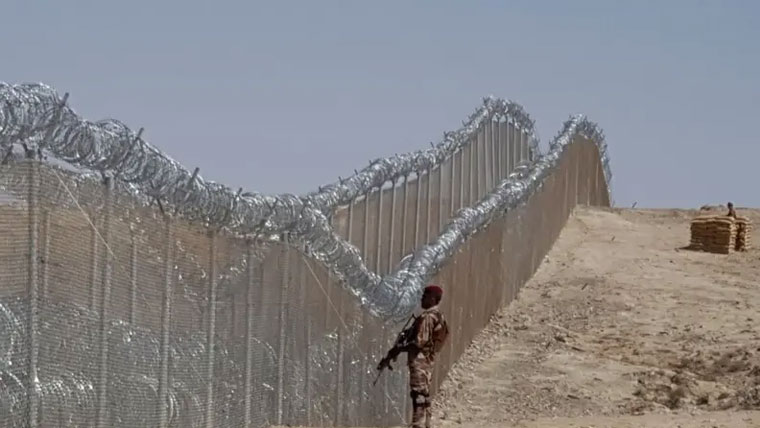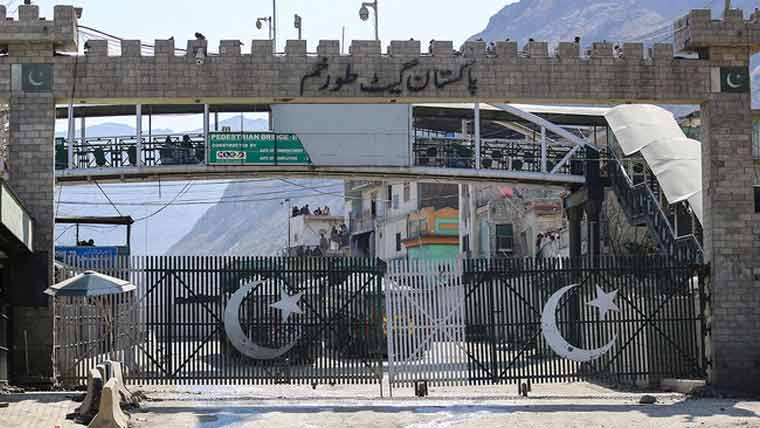
Khybar: (Tassawar News) The Torkham border crossing, a critical nexus point connecting Pakistan and Afghanistan, is scheduled for a partial resumption of operations today, marking a significant, albeit limited, de-escalation in the recent bilateral tensions that have characterized relations between the two nations. This strategic decision, confirmed by local administrative authorities, specifically facilitates the repatriation of Afghan citizens to their home country, following a period of complete cessation of movement. The crossing has remained closed since October 20th, a direct consequence of heightened Pakistan-Afghanistan tensions that severely impacted the flow of people and goods across this vital frontier.
Administrative Mobilisation and Operational Specifics
The meticulous preparations for the partial reopening underscore the administrative complexity of managing a high-volume border crossing. Deputy Commissioner Khyber, Bilal Shahid Rao, issued explicit directives commanding immigration and customs staff to report for duty at 7:00 AM, signaling the resumption of formal, regulated processes. This administrative mobilization is crucial for ensuring an orderly and efficient management of the humanitarian operation, particularly given the anticipated volume of returnees following the extended closure.
The operational scope of this reopening, however, is strictly defined and conspicuously limited. Authorities have emphatically confirmed that the facilitation applies exclusively to the repatriation of Afghan nationals. Crucially, the bilateral trade that sustains economic activity and cross-border commerce will remain suspended until a subsequent directive is issued. This policy differential highlights a deliberate separation of humanitarian concerns from the broader strategic and political disagreements currently governing the relationship.
“The decision to restore limited border functionality reflects a prioritisation of humanitarian responsibility over the current state of bilateral political discord. While the safe return of Afghan citizens is an immediate ethical imperative, the continued suspension of trade signals an unresolved set of strategic concerns on both sides.”
This selective opening, therefore, serves a dual purpose: fulfilling international obligations regarding the voluntary or regulated return of migrants, while simultaneously maintaining pressure or control over economic avenues until a more comprehensive resolution to the underlying tensions can be negotiated.
The Economic Ramifications of Sustained Trade Suspension
The Torkham crossing is not merely a checkpoint; it is arguably the most consequential trade artery for Afghanistan, serving as a gateway for the majority of goods flowing into the landlocked nation. The sustained suspension of bilateral trade, confirmed by the statement from Federal Minister for Information and Broadcasting, Attaullah Tarar, carries profound economic ramifications for both countries and for regional stability.
The Minister’s announcement that the decision to reopen the border for trade “will be made at a later stage” indicates that trade is being utilized as a strategic lever within the diplomatic framework. The economic impacts are manifold:
- Disruption of Supply Chains: Essential commodities, foodstuffs, and raw materials destined for Afghanistan are stranded, leading to inflationary pressures and exacerbating existing humanitarian needs within that country.
- Loss of Revenue: Both nations incur significant revenue losses from customs duties, tariffs, and transit fees, directly impacting their national exchequers.
- Impact on Transporters and Traders: Thousands of truckers, laborers, and merchants whose livelihoods are dependent on the bustling activity of the Torkham corridor face severe financial hardship due to prolonged inactivity. The capital locked in stranded goods contributes to a broader regional economic deceleration.
This deliberate economic pause underscores the seriousness of the prevailing tensions and demonstrates the power of border management as a non-military instrument of foreign policy. The reinstatement of trade will likely be contingent upon the resolution of specific security or political demands tabled by Pakistan.
Geopolitical Context and the Strategic Importance of Torkham
The closure of the Torkham border must be understood within the larger context of dynamic geopolitical instability in the region. Border tensions often stem from disputes over border management practices, alleged cross-border movement of militant elements, and the broader political climate between Islamabad and Kabul. The Torkham post, situated on the western extremity of the Khyber Pass , holds immeasurable strategic significance, historically and presently. It is the primary conduit for movement between the key cities of Peshawar and Jalalabad.
The decision to close the border on October 20th reflected a serious nadir in relations, suggesting that security considerations had momentarily eclipsed economic and humanitarian interests. The current limited reopening signals a calibrated move to relieve the most acute humanitarian pressure without compromising the underlying strategic posture.
“The Torkham crossing functions as a highly sensitive barometer of bilateral relations. Its closure indicates a security emergency, and its selective reopening suggests a finely tuned diplomatic recalibration, prioritizing the immediate human element while holding firm on strategic security concerns.”
The long-term stability of the region hinges on the ability of both states to establish a sustainable, mutually agreed-upon mechanism for border security and management that facilitates legitimate commerce while effectively preventing the movement of destabilizing forces.
Conclusion: A Measured Step Towards De-escalation
The partial reopening of the Torkham border crossing today represents a measured and strategically contained step towards de-escalation. By prioritizing the repatriation of Afghan citizens, the Pakistani authorities have addressed the most immediate humanitarian consequence of the previous closure. However, the deliberate exclusion of bilateral trade from this resumption underscores that the underlying political and security disputes responsible for the initial closure remain fundamentally unresolved. The full operational restoration of this vital corridor—a necessary condition for the economic prosperity of the wider Central Asian region—awaits further high-level diplomatic engagement. The future flow of goods, and by extension, the economic well-being of millions, is thus held hostage to the ongoing process of political negotiation.
Would you be interested in a comparative analysis of the economic dependency of Afghanistan on its border crossings with Pakistan versus its other neighbors?