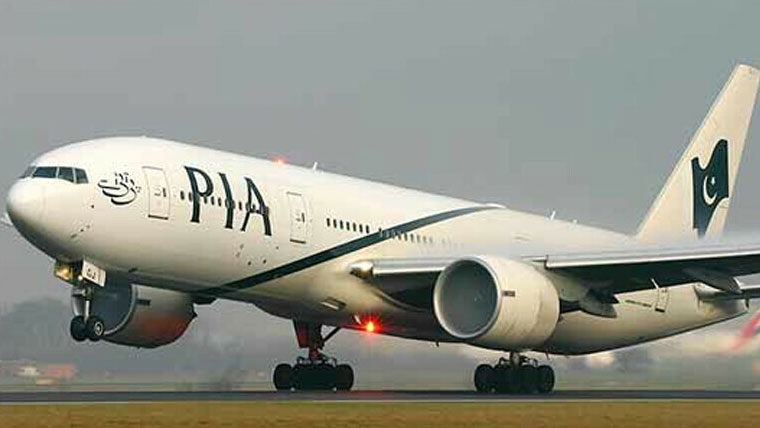
Lahore: (Tassawar News) The operational stability of Pakistan International Airlines (PIA), the nation’s flag carrier, has been severely compromised as an industrial action initiated by its aircraft engineers entered its second consecutive day. This sustained protest has precipitated a significant disruption to air travel across the country, highlighting the acute and often volatile nature of labour-management relations within strategically critical national institutions. The immediate consequences have been tangible, with officials reporting the cancellation of seven flights and a cumulative delay affecting thirty-nine flights, severely impacting the airline’s scheduled service delivery and passenger convenience.
The Immediate Operational Crisis and Public Impact
The statistics released by PIA officials paint a stark picture of the crisis: the cancellation of seven flights represents a direct failure of scheduled operations, while the delay of thirty-nine others signifies systemic inefficiency and passenger inconvenience across the entire flight network. These figures underscore the indispensable role of the Aircraft Engineers Association members in maintaining the airline’s operational readiness. When essential technical services are withdrawn, the ripple effect on a complex system like an airline is immediate and profound, affecting not just the carrier’s bottom line but also its public reputation and commitment to service standards.
The disruption has drawn immediate attention to the precariousness of PIA’s operational environment, already burdened by historical financial instability and periodic governance challenges. The current action has inflicted considerable damage to the airline’s service reliability metrics, serving as a powerful demonstration of the engineers’ leverage in their dispute with the management.
“The cancellation of multiple flights and the systemic delay of nearly forty others illustrate the profound vulnerability of the national carrier’s operations to industrial action. This immediate paralysis underscores the strategic criticality of the aircraft engineers to the entire logistical chain of PIA.”
The Core Drivers of the Industrial Dispute
The genesis of the protest lies in fundamental disagreements concerning human resource management and compensation. The President of the Aircraft Engineers Association articulated the core grievances, citing the “CEO’s attitude and the delay in salary revisions” as the principal catalysts for the strike. This suggests a multifaceted dispute that transcends mere monetary claims; it appears to encompass concerns over management style, employee respect, and the pace of necessary structural adjustments to remuneration packages.
The emphasis on the CEO’s attitude points towards a breakdown in the professional relationship and communication channels between the executive leadership and the highly skilled technical staff. In environments requiring precision and trust, such as aircraft maintenance, friction in the management-labour dynamic can erode morale and directly compromise operational efficacy and, potentially, safety protocols, although no specific safety concerns have been officially raised. The delayed salary revisions, conversely, speak to macro-level financial issues and the perception among employees that their specialized expertise is neither adequately valued nor competitively compensated, especially amidst persistent national inflation.
The Administration’s Uncompromising Stance and Legal Recourse
The response from the PIA administration has been immediate, firm, and legally uncompromising. The spokesperson for the airline publicly declared that “no disruption to operations will be tolerated,” signalling a zero-tolerance policy towards the work stoppage. Crucially, the PIA CEO has issued orders for “strict disciplinary action against those involved in the protest,” invoking the full weight of administrative authority against the dissenting employees.
More significantly, the administration has utilized a powerful legal instrument: reminding the striking staff that the Essential Services Act is currently in effect. This piece of legislation classifies airline operations, especially those of the national carrier, as vital to the nation, meaning that any strike or work stoppage could lead to legal consequences, including arrest, dismissal, and prosecution. The invocation of this Act raises the stakes of the conflict from a simple labour dispute to a matter of statutory compliance, effectively criminalizing the industrial action and putting the engineers’ jobs and liberty at risk.
“The invocation of the Essential Services Act fundamentally alters the dynamics of this labour dispute, transforming a negotiation over salaries and management style into a profound challenge to state authority. The administration is signalling its unwavering commitment to upholding national strategic interests over individual employee grievances.”
Implications for Labour Relations and the Future of PIA
This industrial action carries significant implications for the future of PIA and the broader landscape of labour relations within Pakistan’s public sector. The engineers’ protest, despite the clear legal threats, reflects deep-seated frustration regarding working conditions and management transparency. The administration’s reliance on coercive legal measures, rather than immediate negotiation, while strategically necessary for operational continuity, risks further alienating a critical segment of its workforce. This approach can lead to a long-term erosion of trust and increase the likelihood of future, potentially more disruptive, industrial actions.
The crisis serves as a critical test for the government’s ability to manage national assets and strategically critical institutions. The sustained disruption not only incurs direct financial losses but also damages the airline’s reputation in competitive international markets, complicating any future plans for privatization or restructuring. The government must, therefore, find a balance: upholding the law and ensuring operational functionality, while concurrently addressing the substantive grievances of its highly skilled technical staff in a manner that ensures long-term commitment and morale. The resolution of this dispute will set a crucial precedent for how the state manages conflicts within other institutions deemed essential to national security and economy.
Conclusion: A Necessary Detente for the National Carrier
The ongoing industrial action by PIA aircraft engineers represents a severe challenge to the airline’s operational viability and underscores a critical fissure between the executive management and its essential technical workforce. With cancellations and extensive delays disrupting air travel and the administration deploying the stringent measures of the Essential Services Act, the crisis has escalated rapidly from a human resources disagreement to a major national operational concern. The prompt and effective resolution of this deadlock is paramount. It necessitates not only the immediate restoration of flight operations—to mitigate further economic damage and reputational harm—but also a sincere effort by the PIA management to address the underlying issues of salary equity and perceived managerial arrogance. The manner in which the state navigates the competing demands of upholding statutory law and addressing legitimate labour concerns will determine the future stability, efficiency, and employee morale of the national flag carrier.