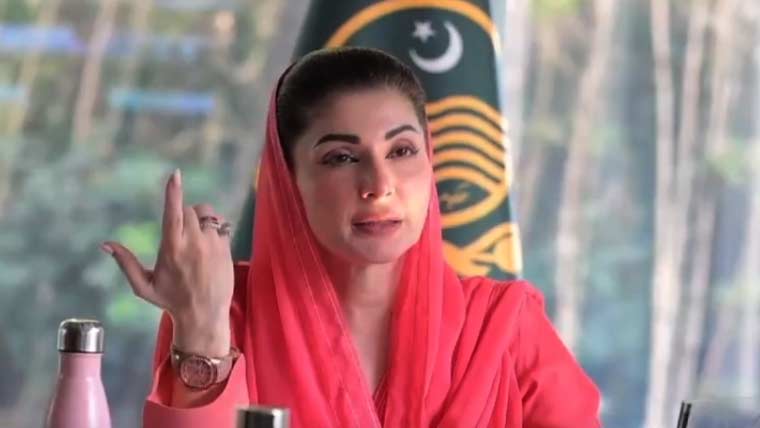
Lahore (Tassawar News): Punjab Chief Minister Maryam Nawaz has officially announced a monthly stipend for 65,000 mosque Imams across the province, marking a significant welfare initiative under her administration. The announcement was made during a high-level meeting on law and order in Lahore, where she emphasized improving governance, efficiency, and citizen welfare at the grassroots level.
Maryam Nawaz directed all district administrations to ensure timely delivery of public services, addressing citizens’ grievances without delay. She made it clear that no negligence or delay in administrative duties would be tolerated.
Speaking about the new Imam stipend policy, the Chief Minister stated that this initiative recognizes the valuable role of Imams in promoting peace, morality, and social harmony within communities. By providing financial support, the government aims to strengthen mosque institutions as centers of guidance and social welfare.
E-Business and Governance Reforms
In a separate meeting regarding E-Business reforms, Maryam Nawaz received a detailed briefing on Punjab’s upcoming digital initiatives. She expressed satisfaction with the progress and instructed concerned departments to finalize implementation within two weeks.
The Chief Minister further directed that all departmental NOCs (No Objection Certificates) must be processed under a single-window operation, ensuring transparency and efficiency. She also emphasized that pending E-Business applications should be reviewed weekly, with decisions made on a priority basis.
To facilitate these operations, she ordered the establishment of a Special E-Business Cell at the Punjab Information Technology Board (PITB). Maryam Nawaz will personally chair a review meeting every 15 days to monitor the progress of this digital governance reform.
“Eliminating red tape is my commitment,” she said. “Through E-Business, we can bring about rapid transformation. Nothing is more satisfying than giving people their rightful due without delay.”
A Vision for a Digital and Inclusive Punjab
Maryam Nawaz described Pakistan as a land of endless opportunities, stressing that E-Business transformation can become a game changer for the national economy. Her vision is to create an ecosystem that promotes ease of doing business, public convenience, and technological empowerment.
She reiterated that under her leadership, every initiative will be focused on citizen welfare, transparency, and efficiency. “We are determined to create a business-friendly environment where citizens and entrepreneurs feel supported, not restricted,” she added.
The Punjab government’s dual initiatives—financial support for religious leaders and digital transformation in governance—represent a comprehensive approach toward social welfare and modernization. By combining traditional values with modern administrative reforms, the province is moving toward a progressive, inclusive, and digitally empowered future.
write above content according to band 9 style ielts. add
quote blocks plus i need content more than 700+ words. Also Conclusion
This news report details significant policy announcements by Punjab Chief Minister Maryam Nawaz, underscoring a dual focus on social welfare and digital governance reform. The initiatives, which include a monthly stipend for mosque Imams and a comprehensive push for E-Business transformation, reflect the administration’s commitment to efficiency, transparency, and grassroots citizen support.
A Landmark Initiative for Community Leadership
Chief Minister Maryam Nawaz officially unveiled a groundbreaking welfare initiative: the provision of a monthly stipend for 65,000 mosque Imams across Punjab. The announcement was made during a high-level assembly on law and order in Lahore, signaling the government’s recognition of the crucial role played by religious figures in community well-being. This move is designed to support 65,000 individuals, impacting communities province-wide.
The policy transcends mere financial aid; it is a strategic acknowledgment of the Imams’ multifaceted contributions to society. They serve as pillars of moral guidance, promote social harmony, and are often instrumental in maintaining peace within their respective communities. By providing this financial backing, the government intends to solidify mosque institutions as vital hubs for social welfare and guidance, integrating religious leadership more formally into the state’s welfare architecture.
During the meeting, the Chief Minister reiterated her administration’s core mandate: to enhance governance and citizen welfare at the most fundamental levels of society. She issued unequivocal directives to all district administrations, demanding the timely delivery of public services and the immediate redressal of citizens’ grievances.
Unwavering Commitment to Administrative Excellence
In a firm display of her commitment to bureaucratic efficiency, Maryam Nawaz stressed that her administration would maintain a zero-tolerance policy toward administrative lethargy. She explicitly warned that “no negligence or delay in administrative duties would be tolerated,” setting a clear benchmark for accountability within the provincial government. This assertive stance is foundational to her broader vision of improving the state-citizen interface.
The Imam stipend, an initiative unparalleled in its scale within the province, is positioned as a key strategy to strengthen this interface. By financially empowering Imams, the government seeks to foster a more stable and values-driven community environment, which, in turn, facilitates more effective governance and public service delivery.
“This initiative recognizes the valuable role of Imams in promoting peace, morality, and social harmony within communities. By providing financial support, the government aims to strengthen mosque institutions as centers of guidance and social welfare.”
Accelerating Digital Transformation: E-Business Reforms
In a separate, but equally critical, session focused on E-Business reforms, the Chief Minister signaled an aggressive push toward digital governance. Following a detailed briefing on Punjab’s upcoming digital roadmap, she expressed satisfaction with the progress and commanded concerned departments to finalize implementation within a fortnight. This tight deadline underscores the urgency she places on modernizing the provincial administration.
The cornerstone of this reform is the elimination of procedural bottlenecks, commonly known as red tape. Maryam Nawaz has ordered that all departmental No Objection Certificates (NOCs) must be channeled through a single-window operation. This streamlined process is designed to inject transparency and efficiency into government dealings, particularly for entrepreneurs and businesses.
To ensure the momentum of these reforms, she mandated the weekly review of pending E-Business applications, ensuring decisions are made on a priority basis.
Establishing a Dedicated Digital Ecosystem
To facilitate this massive operational shift, the Chief Minister has ordered the immediate creation of a Special E-Business Cell situated at the Punjab Information Technology Board (PITB). Furthermore, to maintain continuous oversight and ensure rapid execution, Maryam Nawaz herself will personally preside over a review meeting every fifteen days. This high-level, continuous monitoring structure is a strong indicator of the initiative’s strategic importance.
“Eliminating red tape is my commitment. Through E-Business, we can bring about rapid transformation. Nothing is more satisfying than giving people their rightful due without delay.”
A Vision for an Inclusive and Tech-Empowered Punjab
The Chief Minister articulated a compelling vision for Pakistan, describing it as a “land of endless opportunities.” She emphasized that the E-Business transformation is not merely an administrative upgrade but a potential game-changer for the national economy. The objective is to cultivate an ecosystem that actively promotes the ease of doing business, enhances public convenience, and champions technological empowerment for all citizens.
Her leadership philosophy, she stressed, is anchored in citizen welfare, transparency, and efficiency. The commitment is to move away from a restrictive administrative model toward a supportive one.
“We are determined to create a business-friendly environment where citizens and entrepreneurs feel supported, not restricted.”
The Punjab government’s simultaneous launch of these two major initiatives—financial support for religious leaders and ambitious digital transformation—represents a comprehensive and dual-pronged approach. It effectively seeks to blend the preservation of traditional community values with the dynamism of modern administrative reforms. This strategic convergence is intended to propel the province toward a future that is not only progressive and digitally empowered but also socially inclusive and fundamentally focused on the well-being of its citizens. The emphasis on strengthening both the ethical foundations of society and the operational efficiency of the government highlights a holistic strategy for sustainable provincial development.
Conclusion
Chief Minister Maryam Nawaz’s twin policy announcements—the substantial stipend for 65,000 mosque Imams and the aggressive timeline for E-Business reforms—mark a significant and cohesive strategic direction for the Punjab government. The Imam stipend initiative serves as a powerful testament to the administration’s focus on social welfare and the moral scaffolding of society, directly addressing the financial vulnerability of community leaders and solidifying their role as agents of peace and social cohesion. Simultaneously, the E-Business reforms, characterized by the single-window operation for NOCs and the establishment of the PITB Special Cell, demonstrate an uncompromising pursuit of administrative efficiency and transparency. This concerted effort to eliminate red tape and embrace digital transformation is poised to unlock economic potential and dramatically improve the public service experience. In sum, these initiatives underscore a clear mandate: to forge a progressive, inclusive, and digitally empowered Punjab by strategically aligning traditional community values with modern, accountable governance.