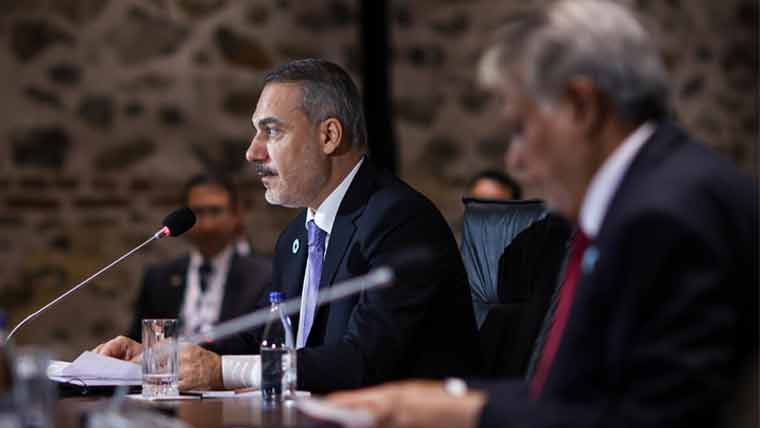
ISTANBUL: (Tassawar News) The critical Gaza Conference is underway today in Istanbul, Türkiye, marking a significant diplomatic convergence aimed at addressing the severe humanitarian crisis and the fragile status of ceasefire developments in the region. The high-level meeting has brought together the foreign ministers of eight influential Arab and Muslim nations, underscoring a unified, urgent response to the deepening conflict. Hosted by Turkish Foreign Minister Hakan Fidan, the summit is dedicated to a rigorous review of recent diplomatic progress on the Gaza ceasefire agreement and a comprehensive assessment of the rapidly deteriorating human rights and humanitarian situation on the ground.
Regional Coordination and High-Level Participation
The list of participating countries highlights the strategic importance of this regional coordination effort. The nations attending include Türkiye, Pakistan, Saudi Arabia, Qatar, Egypt, Jordan, Indonesia, and the United Arab Emirates (UAE). This assembly represents a significant portion of the Muslim world’s diplomatic and economic influence, intent on formulating a unified strategy.
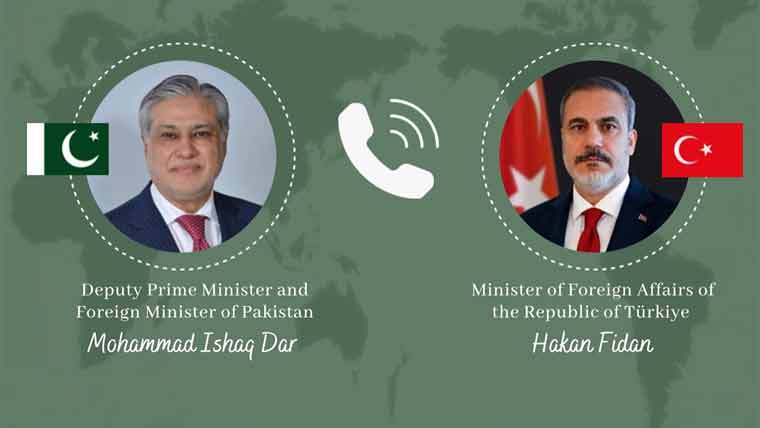
Pakistan is being represented at the summit by its Deputy Prime Minister and Foreign Minister, Ishaq Dar. According to the official statement issued by Pakistan’s Foreign Office spokesperson, the Pakistani delegation is poised to reiterate the country’s firm and unequivocal stance on the conflict. This stance mandates a complete and immediate Israeli military withdrawal from all occupied Palestinian territories, with particular focus on Gaza. Furthermore, Pakistan will use the platform to demand the immediate and full implementation of the existing Gaza ceasefire agreement.
“The Pakistani delegation will reiterate the country’s firm stance on a complete Israeli military withdrawal from the occupied Palestinian territories, particularly Gaza, and call for the immediate and full implementation of the Gaza ceasefire agreement.”
Pakistan’s active participation reflects its continued, historical support for the Palestinian people’s cause and its long-standing commitment to the internationally recognized two-state solution. This solution envisions the establishment of an independent Palestinian state with East Jerusalem serving as its sovereign capital.
Escalating Humanitarian Concerns and International Accountability
The Istanbul conference gains particular urgency as it unfolds amid renewed and profound global concern over the catastrophic civilian suffering and widespread violations of international humanitarian law documented in Gaza. Turkish Foreign Minister Hakan Fidan is anticipated to take a leading role in the discussions, focusing on two critical aspects: exposing Israel’s alleged attempts to evade the full terms of the ceasefire agreement and drawing heightened international attention to the unprecedented scale of destruction and internal displacement witnessed across the region.
Diplomatic sources have indicated that a core objective of the meeting is for the participating nations to deliberate on joint, coordinated strategies. These strategies are designed to achieve several immediate and long-term goals:
- Intensify Humanitarian Aid: Coordinating efforts to ensure an unrestricted flow of essential supplies into the conflict zone.
- Push for International Accountability: Exploring mechanisms to hold responsible parties accountable for violations of international law.
- Coordinate a Unified Muslim World Response: Presenting a cohesive diplomatic front to exert maximum pressure on international bodies and key global actors.
“Turkish Foreign Minister Hakan Fidan is expected to highlight Israel’s alleged attempts to evade the ceasefire agreement and draw international attention to the scale of destruction and displacement in the region.”
Pakistan’s Unwavering Diplomatic and Humanitarian Support
Speaking ahead of the critical meeting, the spokesperson for Pakistan’s Foreign Office robustly reaffirmed that Islamabad remains committed to providing unconditional support for all diplomatic and humanitarian efforts. These efforts share the singular aim of achieving a sustainable, permanent ceasefire, ensuring the comprehensive protection of civilians, and guaranteeing unrestricted humanitarian access to the beleaguered population of Gaza.
The Pakistani delegation stressed that the pursuit of peace and stability in the Middle East remains an unattainable goal until the fundamental rights of the Palestinian people are fully recognized and decisively restored. This commitment transcends current political dynamics, rooting itself in core principles of justice and self-determination.
“Pakistan stands in solidarity with the people of Palestine and calls for an immediate cessation of hostilities and a definite end to the occupation. Peace and stability in the Middle East cannot be achieved until the fundamental rights of the Palestinian people are recognized and restored.”
A Crucial Platform for a Post-Conflict Roadmap
Political observers widely believe the Istanbul conference holds the potential to serve as a crucial and highly effective platform for regional coordination among Muslim countries. Such unified coordination could potentially translate into stronger, more coherent diplomatic pressure directed towards achieving a permanent resolution to the conflict. Furthermore, the deliberations are expected to lay the foundational groundwork for a practical roadmap for post-conflict reconstruction in Gaza, addressing the immense challenge of rebuilding essential infrastructure and civil society.
As the global community closely monitors the deepening humanitarian crisis, today’s high-stakes meeting is anticipated to reach a formal conclusion with the issuance of a joint declaration. This declaration is expected to be a comprehensive document, which will:
- Reaffirm unwavering support for Palestinian sovereignty.
- Issue a strong condemnation of ongoing military aggression.
- Feature a renewed and unified call for justice and peace in the region.
The success of this conference will be measured by its ability to transition diplomatic solidarity into concrete, effective action that can bring about a lasting cessation of hostilities and secure the long-term, self-determined future of the Palestinian people.
Conclusion
The Gaza Conference in Istanbul represents a pivotal moment of unified diplomatic engagement by the Muslim and Arab world, aimed at forging a collective response to the profound humanitarian and political crisis in the Middle East. With key nations like Pakistan advocating forcefully for a complete Israeli withdrawal, the immediate implementation of a ceasefire, and adherence to international law, the conference serves as a powerful expression of regional solidarity. The emphasis on joint strategies for humanitarian aid, international accountability, and a post-conflict roadmap signals a sophisticated effort to move beyond mere statements to concrete, coordinated action. Ultimately, the meeting’s significance lies in its potential to transform international pressure and coordination into a mechanism that secures a sustainable peace rooted in the fundamental recognition and restoration of the rights of the Palestinian people.