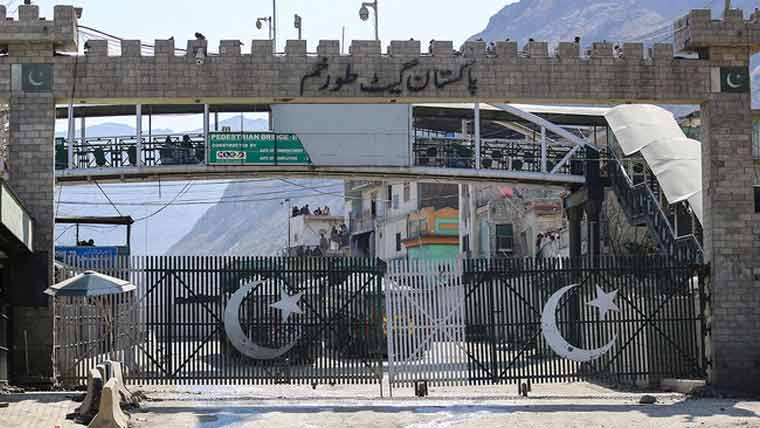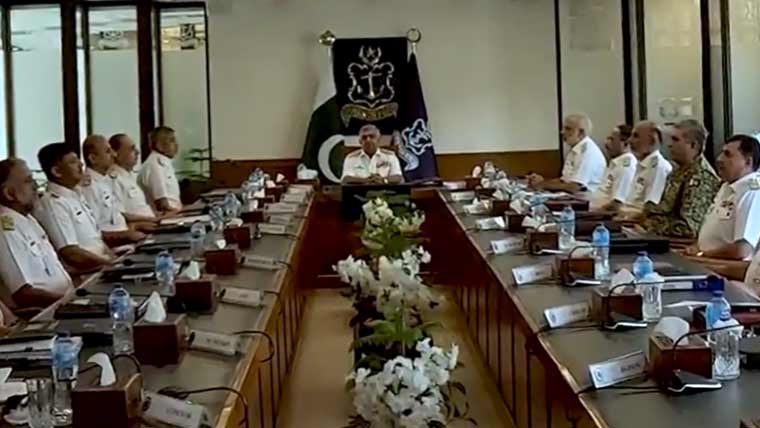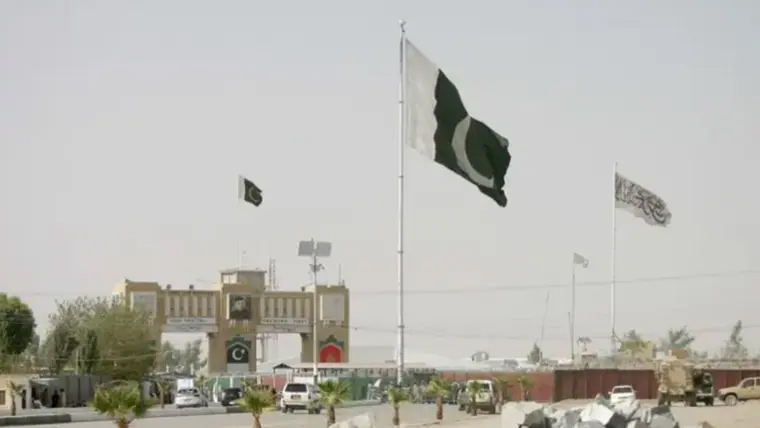
Istanbul (ٔٔTassawar News): The third consecutive round of peace talks between the government of Pakistan and the Afghan Taliban leadership, recently convened in Istanbul, has regrettably culminated in a pronounced diplomatic deadlock. Reliable sources close to the negotiations have indicated that the fundamental barrier to progress lies in the Afghan side’s demonstrable failure to furnish a constructive or encouraging response to the meticulously crafted proposals advanced by Islamabad. This failure to reciprocate a rational framework for security and stability threatens to undermine the fragile diplomatic momentum established in preceding rounds, casting a significant shadow over the prospects for long-term regional tranquillity.
Pakistan’s delegation has consistently maintained a position characterized by logical and security-driven demands, which are deemed indispensable prerequisites for securing both bilateral and broader regional stability. These comprehensive measures are not designed to be punitive but are formulated to ensure the mutual security of both sovereign nations, particularly addressing critical issues such as cross-border terrorism and effective border management. Despite this rational and unwavering stance adopted by Islamabad, the Afghan Taliban representatives have not exhibited the requisite political latitude or a full, unambiguous willingness to endorse the totality of the Pakistani proposals, leading to the current state of paralysis.
The Vetting of Demands and Internal Disunity
Diplomatic insiders privy to the intricate proceedings revealed a compelling paradox within the negotiation process. Pakistan’s established position is universally recognized by the involved third parties and facilitator nations as being firmly grounded and fundamentally legitimate and justified in the context of prevailing regional security dynamics. Critically, these sources further revealed that a noteworthy segment of the Taliban delegation itself reportedly concurs that many of the core demands put forth by Pakistan are inherently reasonable and, indeed, necessary for safeguarding the intertwined future prosperity and security of both Afghanistan and Pakistan.
The core complication that has precipitated the current stalemate is rooted in the complex, multilayered decision-making process within the Afghan leadership structure. The delegation present in Istanbul is reportedly operating under the tight and centralized control of the administration headquartered in Kabul.
“Pakistan continues to uphold its logical and security-driven demands, emphasizing that these steps are essential for ensuring long-term peace and regional stability.”
Taliban representatives are constrained to remain in constant communication with the authorities in Kabul and are only authorized to advance the dialogue upon the explicit receipt of direct and formal directives. Unfortunately, the Kabul-based leadership has thus far refrained from providing the required positive or decisive response, which has inevitably resulted in the complete cessation of meaningful progress in the current round of dialogue. This suggests a significant disconnect between the perceived necessity of the proposals at the negotiating table and the executive decision-making apparatus within the Afghan capital.
Subversive Agendas and the Erosion of Momentum
Observers tracking the trajectory of the talks have advanced the hypothesis that the protracted delay and the conspicuous absence of tangible progress may be attributable to certain internal elements within Kabul potentially pursuing a divergent agenda. This suspected agenda, which is believed to be subject to domestic political pressures or other considerations, does not appear to fully align with the principal peace and stability objectives that the Istanbul talks were specifically convened to achieve. These covert internal pressures are widely considered to be a key factor that is undermining the entire negotiation process.
Throughout the entirety of the tripartite discussions, the Pakistani delegation has tirelessly reiterated that their foundational demands are not merely rational on a bilateral level but are strategically positioned to serve the collective, overriding interests of regional stability, mutual security, and robust counter-terrorism cooperation. The host countries, recognizing the critical importance of a stable border and coordinated security strategy, have consistently echoed this sentiment, making forceful appeals for the Afghan Taliban to adopt a more pragmatic and far-sighted approach in the shared interest of mutual peace and prosperity.
Contextualising the Dialogue: From Doha to Impasse
It is essential to contextualize the current impasse within the historical sequence of these high-stakes negotiations. The foundational first round of talks was conducted in Doha, Qatar, which concluded with both sides reaching a significant preliminary agreement centered on a temporary ceasefire and an explicit pledge to address pressing cross-border security concerns. This initial breakthrough had generated cautious optimism regarding the potential for de-escalation.
The subsequent second round, which also took place in Istanbul earlier this month, was primarily dedicated to a meticulous evaluation of the progress achieved since the Doha meeting. Discussions focused heavily on developing operational mechanisms and detailed frameworks necessary for the effective implementation of the previously agreed-upon points. The current, third round was expected to build upon these established mechanisms, transforming conceptual agreements into actionable policy.
Security officials from Pakistan had previously confirmed the submission of a comprehensive plan designed specifically to aggressively counter terrorism and substantially enhance the security profile along the shared frontier. This commitment was reinforced by the strong public declaration made by Defence Minister Khawaja Asif, who had earlier articulated the critical necessity for the Afghan Taliban to make an unequivocal and explicit choice between peaceful coexistence and the alternative of open confrontation.
“Defence Minister Khawaja Asif also stated that the Afghan Taliban must make a clear choice between peaceful coexistence or open confrontation, emphasizing Pakistan’s commitment to safeguarding its sovereignty.”
This statement highlights Pakistan’s resolute commitment to exercising its right to safeguard its sovereignty and national interests against any form of cross-border threat. The current deadlock, therefore, represents not just a failure to agree on operational details, but a failure to fundamentally accept the necessary preconditions for peaceful coexistence as outlined by Pakistan.
Conclusion: A Call for Pragmatism and Escalation Avoidance
With the third round of the strategically vital Pakistan-Afghan Taliban talks now facing a troubling impasse, there is an increasingly urgent and unanimous call from regional observers for a concerted and renewed phase of diplomatic engagement and the adoption of a truly constructive dialogue strategy. The failure to break this diplomatic gridlock runs the severe risk of undermining all previous efforts, potentially leading to an undesirable escalation of security challenges along the shared border. The collective interest of the region demands that the leadership in Kabul adopt a more pragmatic and forward-looking approach, demonstrating the necessary political will to translate the acknowledged legitimacy of Pakistan’s security demands into actionable commitments. Sustaining the momentum towards comprehensive peace and mutual security remains the paramount objective, and it is incumbent upon all parties to overcome the internal and external hurdles obstructing the path to a durable agreement.