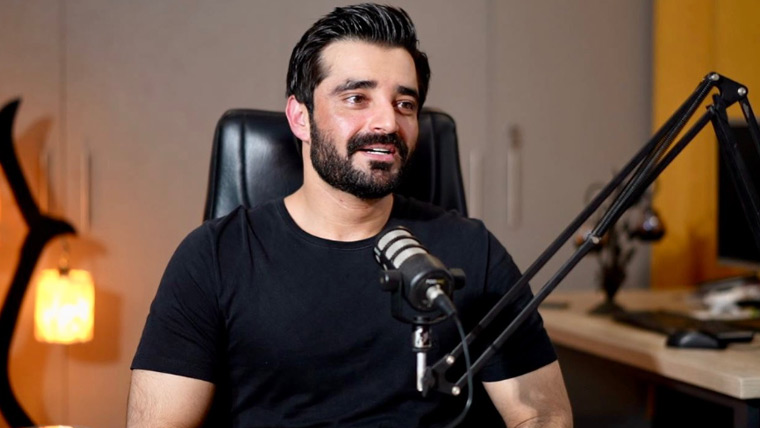
(Wen Desl) The ongoing public dispute between Bollywood filmmaker Abhinav Kashyap and superstar Salman Khan has escalated dramatically following the highly publicised and forceful intervention of Bollywood personality Rakhi Sawant. In a recent podcast appearance, Sawant publicly and unreservedly defended Salman Khan, delivering a blunt and highly controversial warning directly aimed at Kashyap after the filmmaker made a series of critical remarks concerning the actor and his powerful family. Sawant’s commentary, which was marked by deeply reverential language towards Khan and accusations of dishonesty towards Kashyap, has quickly become a focal point of discussion within the Indian entertainment media, highlighting the volatile nature of celebrity disputes in the digital age.
During the recording of the podcast, Rakhi Sawant dedicated a significant portion of her time to vocalising a staunch defence of Salman Khan. She employed decidedly reverential terms when speaking of the actor, whom she views with immense personal loyalty. Concurrently, she launched a sharp personal critique of Abhinav Kashyap for daring to speak critically against the Khan family. Sawant reportedly described Salman Khan in almost divine terms, asserting that he is “like a deity on earth,” and strongly advised the public to disregard and not take Kashyap’s claims seriously due to what she suggested was a lack of credibility on his part. This effusive display of loyalty, though characteristic of Sawant, added a dramatic and emotionally charged element to the existing controversy.
The Key Claims and Theatrical Threats
The most attention-grabbing aspects of Rakhi Sawant’s public address were the threatening and theatrical remarks she directed toward the filmmaker. Her quotes, widely disseminated across Indian entertainment news outlets such as The Times of India and MensXP, included explicit and forceful language. In a vivid expression of her anger and loyalty, Sawant stated that she would physically “throw eggs” at Abhinav Kashyap and even threatened to “hit him with a slipper” should she encounter him in person. These statements, though perhaps intended hyperbolically within the context of Indian media drama, have been scrutinised for their aggressive tone, raising questions about the boundaries of civil discourse in the public sphere.
This public confrontation is not merely a personal spat; it is an escalation within a much larger, deeply entrenched industry controversy. The exchange began in earnest after Abhinav Kashyap publicly aired a series of accusations regarding events he claimed were connected to the production of the successful film Dabangg, alongside general comments critical of Salman Khan and his influential family. Kashyap’s allegations essentially sparked a major public debate regarding the dynamics of power and influence within the highly competitive Bollywood industry.
Several prominent industry figures have since weighed in publicly on the matter, either supporting Khan or calling for greater transparency. Rakhi Sawant’s recent intervention, with its uniquely forceful and personal delivery, is the latest high-profile reaction in this evolving public debate. Media outlets such as ABP Live have diligently documented both the original allegations made by Kashyap and the subsequent responses and counter-claims from various other celebrities, illustrating the extensive public interest in the matter. The controversy highlights the fragility of professional relationships under the immense pressure of the film industry spotlight.
Tone, Responsibility, and Public Discourse
Predictably, Rakhi Sawant’s highly charged remarks have generated mixed and passionate reactions across social media platforms and traditional newsrooms. On one side, a contingent of fans applauded her fierce loyalty to Salman Khan, supporting her strong, if aggressive, verbal response as a necessary defence of her friend and mentor. On the opposing side, many commentators and social media users have issued cautionary notes against the use of violent language and have strongly advocated for a return to a more civil, respectful, and fact-based public discourse.
Public figures, particularly those with a significant platform like Sawant and Khan, possess the ability to heavily influence public sentiment through their statements. Consequently, many media commentators are issuing reminders to both the public and fellow celebrities that verified, evidence-based facts and formal legal processes must ultimately guide any final judgment in the matter, rather than emotionally charged, unverified claims or threats made in the media. The controversy serves as a necessary case study in media ethics and the responsibility of influential public figures to moderate their public speech, even during emotionally taxing disputes.
Conclusion: Focusing on Facts Amidst the Feud
Rakhi Sawant’s dramatic and highly personal defence of Salman Khan, coupled with her explicit and pointed warning delivered to filmmaker Abhinav Kashyap, has unequivocally injected significant new volatility into what was already a protracted public controversy. While the right of celebrities to voice strong personal opinions is a given, this episode underscores the critical need for both the public and the media to maintain a constant focus on confirmed facts, verifiable evidence, and respectful dialogue—particularly when sensitive allegations involving prominent reputations and careers are at stake. As the situation evolves, media scrutiny will remain fixed on official responses from all principal parties and the potential for legal or official actions should the severity of the accusations escalate beyond mere media commentary. Upholding integrity demands that the public prioritise verified statements from primary sources over the sensationalism inherent in social media snippets.