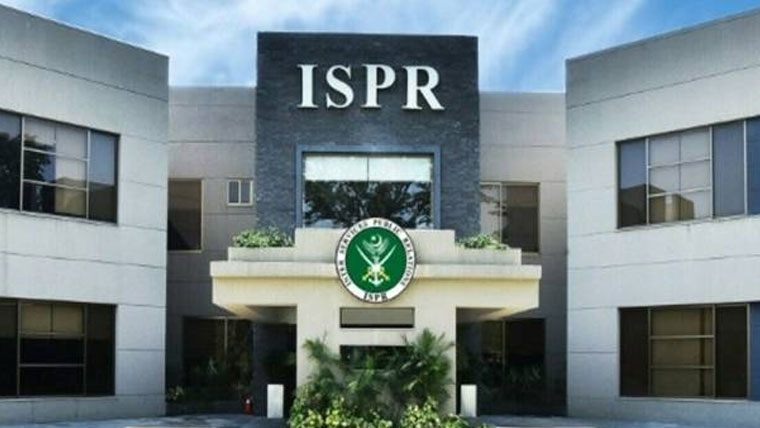
Rawalpindi: (Tassawar News) The Inter-Services Public Relations (ISPR), the media wing of Pakistan’s armed forces, has released a profoundly evocative patriotic song, “Kashmir Hamare Khwabon Ki Tabeer” (Kashmir – The Realization of Our Dreams), coinciding with the solemn observance of Jammu Martyrs’ Day. This musical creation transcends mere entertainment, serving as a heartfelt and powerful tribute to the unwavering sacrifices, courage, and resilience of the populace in Indian Illegally Occupied Jammu and Kashmir (IIOJK). The track, released on November 6, 2025, strategically commemorates the tragic events of the 1947 Jammu Massacre, simultaneously reaffirming Pakistan’s enduring moral and emotional attachment to the Kashmiri cause. This essay will thoroughly examine the key thematic elements of the song, the political significance of its release, and the role of artistic expression in sustaining the momentum of the decades-long struggle for freedom and self-determination.
Honouring Sacrifice: The Core Message
The central purpose of “Kashmir Hamare Khwabon Ki Tabeer” is to honour the martyrs of Jammu and pay homage to the indomitable spirit of the Kashmiri people. The ISPR states unequivocally that the song is a reflection of the unwavering loyalty of the Kashmiri population to Pakistan, a commitment that remains steadfast despite enduring decades of oppression and human rights violations. The lyrics intricately weave together narratives of pain, perseverance, and hope, highlighting the grievous atrocities faced by innocent Kashmiris while simultaneously celebrating their unyielding determination to achieve independence.
“According to ISPR, the newly released track honors the martyrs of Jammu and pays homage to the indomitable spirit of the Kashmiri people, whose loyalty to Pakistan remains steadfast despite ongoing oppression.”
The historical reference to the Jammu Massacre of November 6, 1947, is a critical anchor for the song’s emotional resonance. The ISPR asserts that from this tragedy to the present era, the people of Kashmir have consistently “written their history with blood in the pursuit of freedom.” This vivid imagery serves to contextualize the current struggle within a long, painful historical trajectory of resistance and sacrifice. The song’s ultimate message, however, is one of optimism, conveying the belief that the “light of hope” pierces the “darkness of tyranny,” and that the Kashmiri people’s dream of freedom is both alive and fundamentally unstoppable.
Enduring Emotional and Political Identity
The song is not just a tribute to the people of Kashmir; it is a profound declaration of the enduring bond between the two entities. The powerful composition, characterized by its emotive lyrics, stirring visuals, and soulful music, is carefully crafted to evoke a potent sense of unity between the people of Pakistan and Kashmir.
The ISPR spokesperson articulated the core political and emotional synthesis: “Their destiny is freedom, and their destination is Pakistan.” This statement explicitly positions the Kashmiri aspiration for self-determination as intrinsically linked to their desire for accession to Pakistan, framing the issue as an ideological rather than purely territorial dispute.
Furthermore, the release of this track serves as a reaffirmation of Pakistan’s consistent stance on the Kashmir issue, emphasizing the nation’s unwavering diplomatic, moral, and humanitarian support for the cause on various international forums. The song, therefore, functions as a diplomatic tool, ensuring that the issue remains a matter of public and governmental priority within Pakistan and serving as an international statement of solidarity. The underlying political significance lies in Pakistan’s recognition of Kashmir as an “integral part of Pakistan’s moral and emotional identity,” a sentiment that continues to shape its foreign policy and domestic consciousness.
Art as a Voice for the Oppressed
Cultural commentators frequently highlight the efficacy of musical tributes, such as those released by the ISPR, as a potent and accessible medium for raising awareness about complex political issues, particularly among the younger generation. In an age saturated with information, art, music, and storytelling provide an immediate and emotional connection to the core human suffering and political struggle.
The song “Kashmir Hamare Khwabon Ki Tabeer” skillfully captures both the emotional depth and the political significance of the Kashmir cause. By presenting the situation not merely as a boundary or territorial dispute, but fundamentally as a “human struggle for dignity, freedom, and self-determination,” the song reframes the narrative for a global audience. These artistic initiatives are crucial for reminding the world that the Kashmiri struggle is not forgotten, and that the principles of peace, justice, and human rights must be universally applied to secure the region’s future. The musical narrative serves as a powerful testament to the resilience of a population that refuses to be silenced, using culture as a form of non-violent resistance and sustained advocacy. The combination of artistry and political messaging reinforces the cultural ties that bind the two regions and provides a compelling, easily shareable platform for advocacy.
Conclusion
The release of ISPR’s patriotic song, “Kashmir Hamare Khwabon Ki Tabeer,” on the anniversary of Jammu Martyrs’ Day, is a strategically timed and emotionally charged expression of Pakistan’s solidarity with the people of IIOJK. The track successfully merges historical commemoration with a contemporary call for justice, powerfully underscoring the necessity of self-determination as the only viable solution to the long-standing dispute. By leveraging the universal language of music, the song effectively honours the sacrifices of the past while strengthening the emotional and ideological bond between the Kashmiri people and Pakistan. Ultimately, this musical tribute serves as a poignant reminder that the pursuit of human rights, dignity, and freedom in Kashmir remains a moral imperative and an unfinished historical agenda.
Would you like me to search for other significant cultural or artistic tributes released by Pakistan concerning the Kashmir cause?